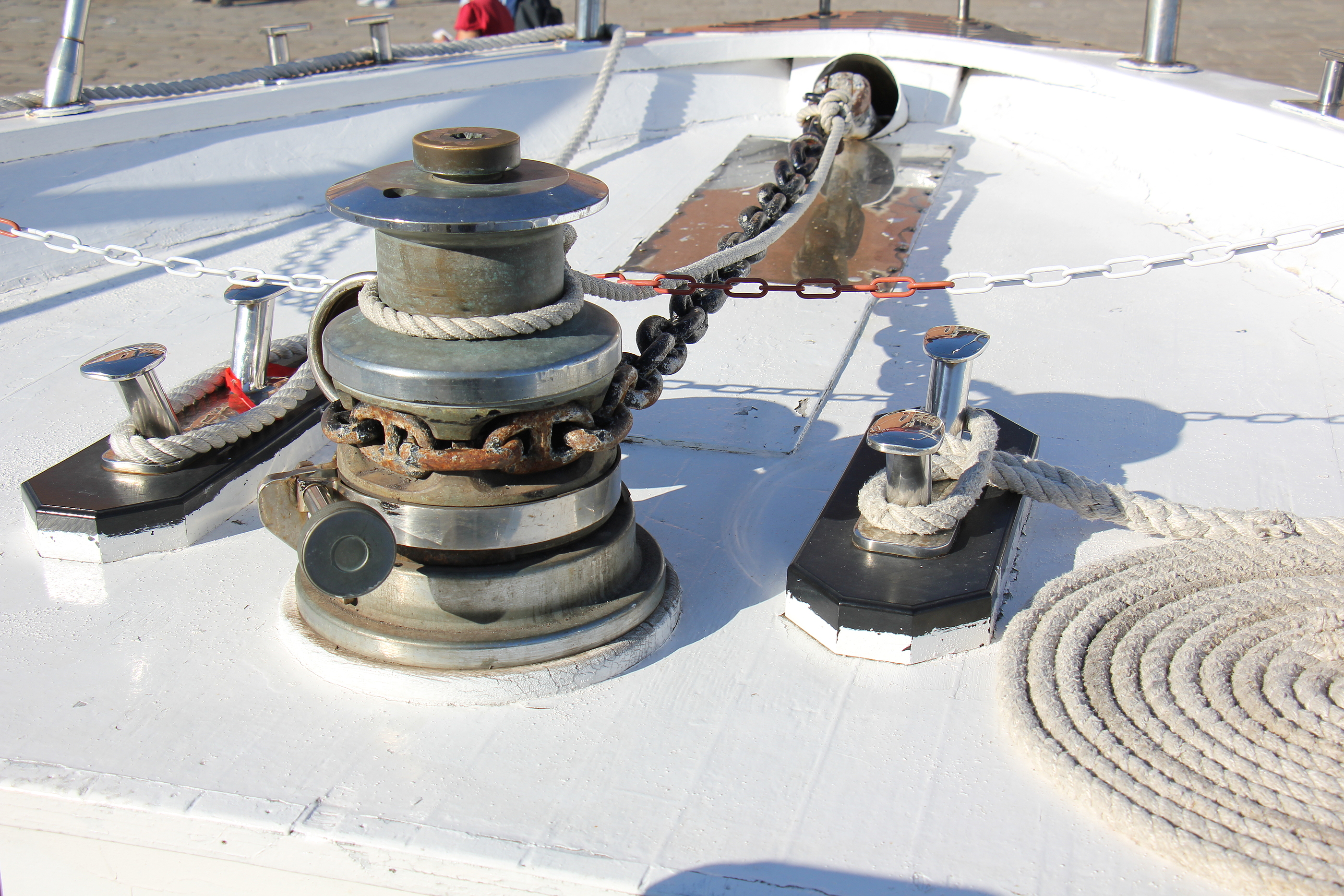
Ship mooring and unmooring activities are an essential and inherently hazardous element
of port operations. They involve the use of powerful winches and large ropes and wires
under heavy loads, together with the manual handling of those ropes over water on the
edges of exposed docks. Injuries incurred as a result of such activities are invariably serious
and frequently fatal.
Personnel employed to carry out mooring and unmooring operations may be permanent
employees of the port facility, private self-employed contractors or contracted from a port
labor supplier by a ship’s agent acting on behalf of the ship, or by the berth operator. The
safety competence of mooring contractors should be assessed by evaluating their safety
policy, Safety Statement, induction and training procedures, site supervision and methods
of work. They should have the necessary physical capability and knowledge to do their jobs,
or be provided with the necessary training. They should be monitored and audited
periodically to ensure standards are maintained.
Risk Assessments to Consider during Mooring Practices:
All port facilities have different berth construction designs, layouts and mooring equipment,
different activities going on and different local environmental conditions. Employers and
duty holders are obliged to carry out risk assessments of the mooring operations they carry
out or the berth facilities they provide. These risk assessments should ensure appropriate
control measures are put in place to manage the hazards and risks identified. These
include:
- The development of safe methods of carrying out mooring operations appropriate to
the particular berth or facility. - Identification of danger areas to be avoided by all except those directly involved in
the mooring operation when a ship is being berthed or unberthed. - Provision of adequate training in mooring practice and procedures, and adequate
supervision. - Suitable winches or capstans, where practicable, to reduce manual handling.•
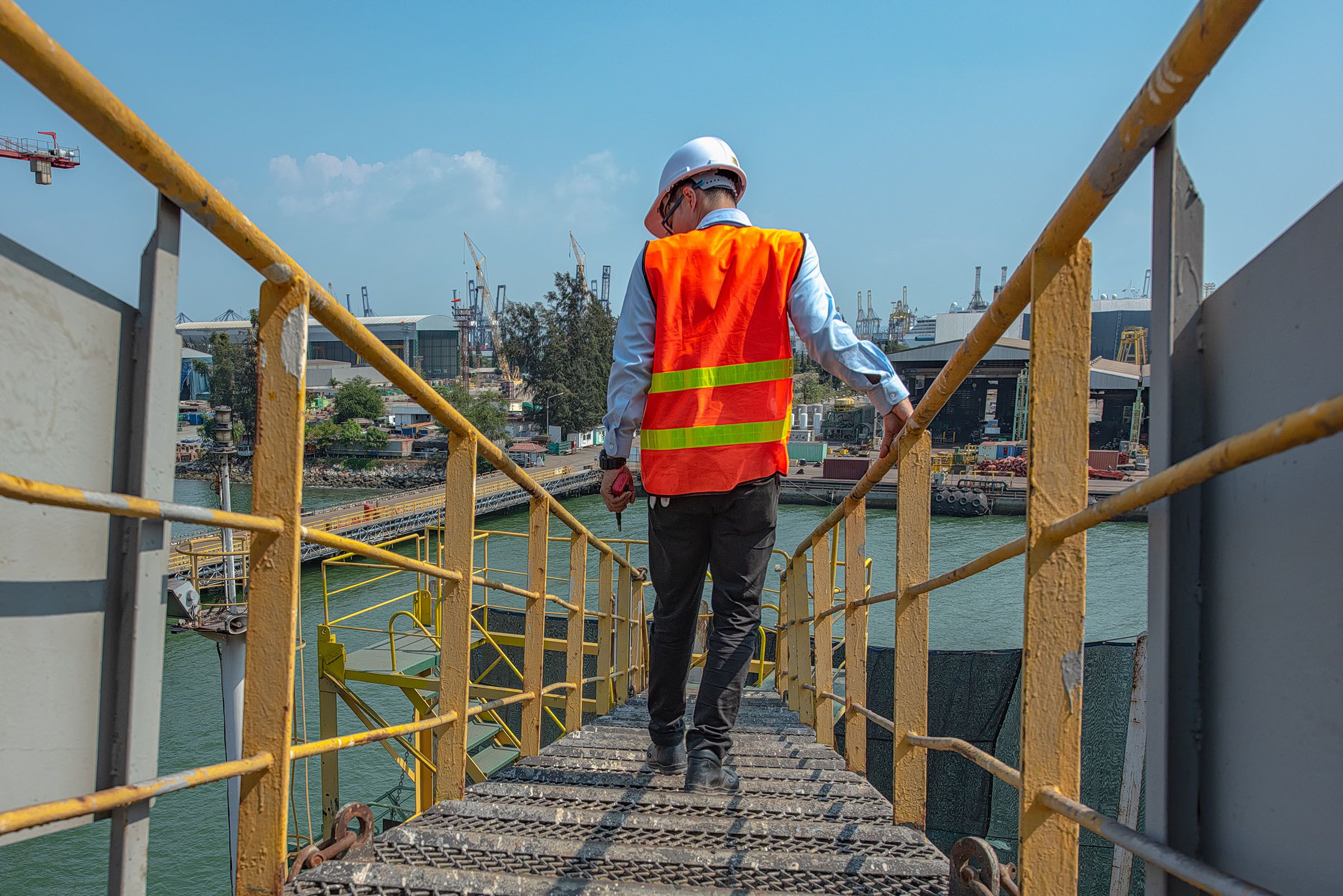
Provision of appropriate PPE (safety helmet, gloves, high visibility clothing, boots
with slip resistant soles, and personal flotation devices (PFDs)) where required. - Establishment of limiting environment conditions for berthing operations and
implementation of appropriate controls under such conditions e.g. additional
personnel or tugs, or suspension of operations. As ships and their mooring lines can
also present hazards to shore personnel, cranes and equipment during the time they
are berthed alongside, the berth operator should also have a procedures for
monitoring ships alongside and ensuring their moorings are being safely managed
by the crew.
The following lists some examples of typical hazards and risks that may be
encountered.