
MCMag Strategy Session:
Reveal the unseen using precision guidence systems
Webinar Replay
Precision Below the Surface: How Marine Tech Is Changing the Game
On July 31, Marine Construction Magazine hosted a strategy session featuring Trimble’s Mike Carris to explore the evolving role of precision guidance systems in marine projects. From muddy waters to pinpoint accuracy, the session revealed how technology is unlocking a new level of efficiency and insight for marine contractors.
The Marine Tech Moment
“Technology may be having its greatest impact in the marine sector,” Warren Miller, Editor at Marine Construction Magazine, stated, “because the naked eye has never been able to see much in muddy water—until now.”
That challenge of seeing the unseen set the stage for the featured guest: Mike Carris, Sales Manager for Trimble’s marine construction market in the Western Hemisphere.
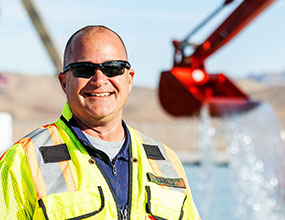
Mike Carris
Meet the Expert: Mike Carris
Mike brings a unique background to the table. He learned surveying during his time as a Marine and stuck with it in civilian life. After his service, he became a consultant training engineers, surveyors, and contractors on how to implement technology in the field.
Eleven years ago, he joined Trimble. Initially a software sales rep for machine control applications, Mike now manages Trimble’s marine dealer distribution channel throughout the Americas.
Laying the Groundwork: What the Session Covered
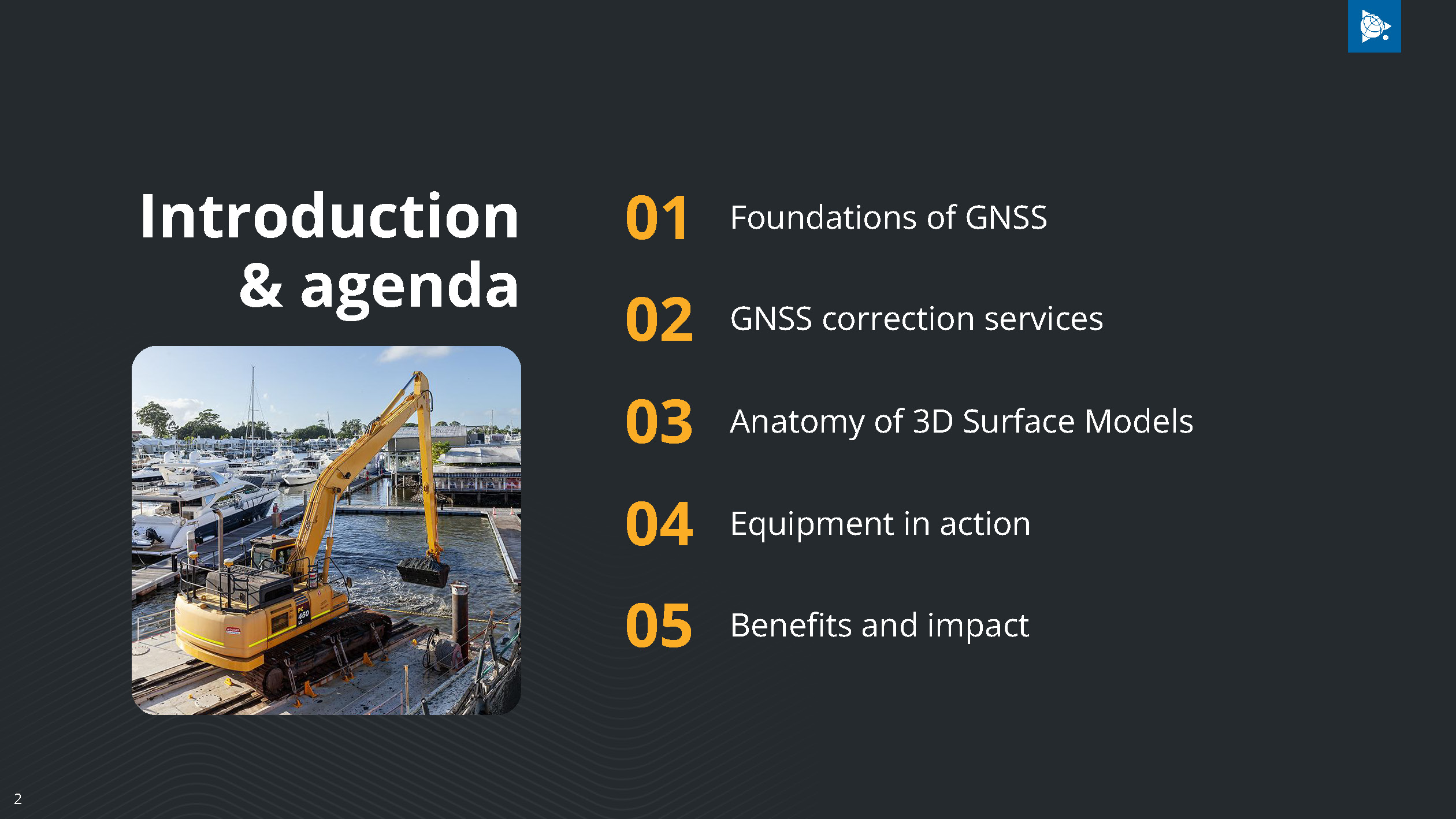
Mike designed the session to be accessible for both seasoned professionals and those new to marine construction. The agenda included:
- The foundations of GNSS (Global Navigation Satellite Systems)
- Correction services
- The anatomy of 3D surface models
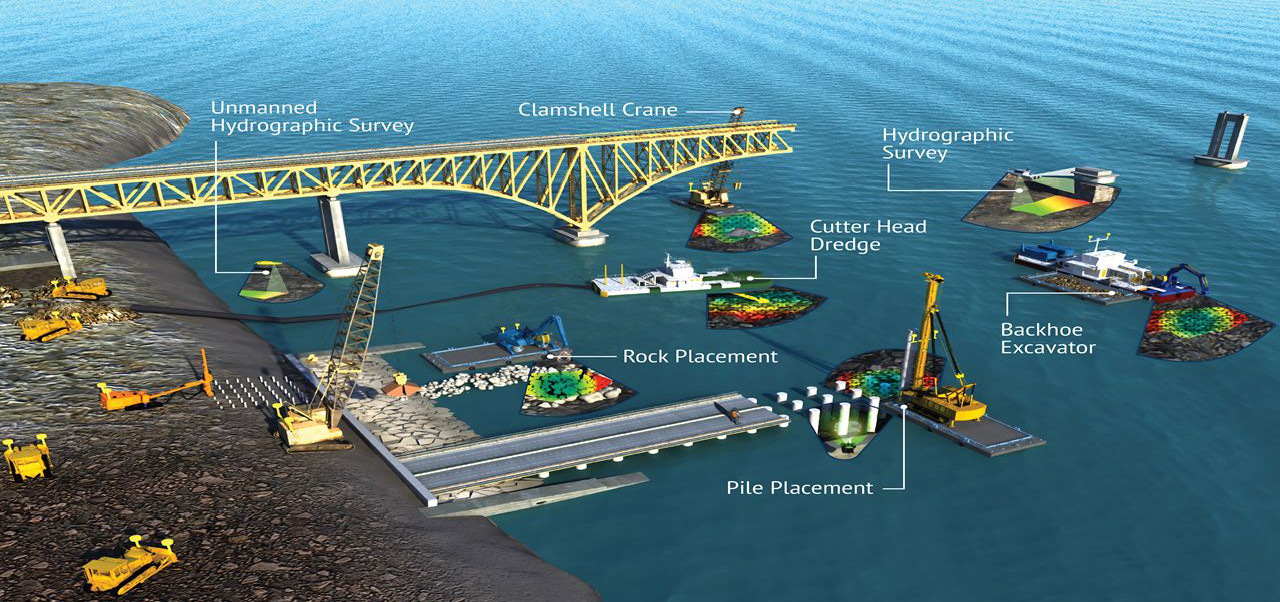
- Examples of marine equipment in action
A Personal Connection to Precision
Mike shared an anecdote from his early surveying experience during the Gulf War. As a young Marine, he used traditional maps and celestial navigation to estimate positions for artillery targeting—until his unit received a Trimble GPS receiver.
“It made our job so much easier, and we were more confident in where our location was,” Mike said. That moment sparked a lifelong appreciation for precision and accuracy, and ultimately led him to work at Trimble decades later.
The Power of GNSS and Correction Services
Mike broke down how GNSS works and why correction services are crucial for marine construction. Real-time corrections provide contractors with the sub-inch accuracy they need when visibility is limited and mistakes can be costly.
He walked through the difference between base station corrections and satellite-delivered corrections, showing how they can be applied to projects ranging from dredging to breakwater construction.
If you’re ready to explore how precision guidance can streamline your workflow, reduce risk, and improve project outcomes, we’re here to help.
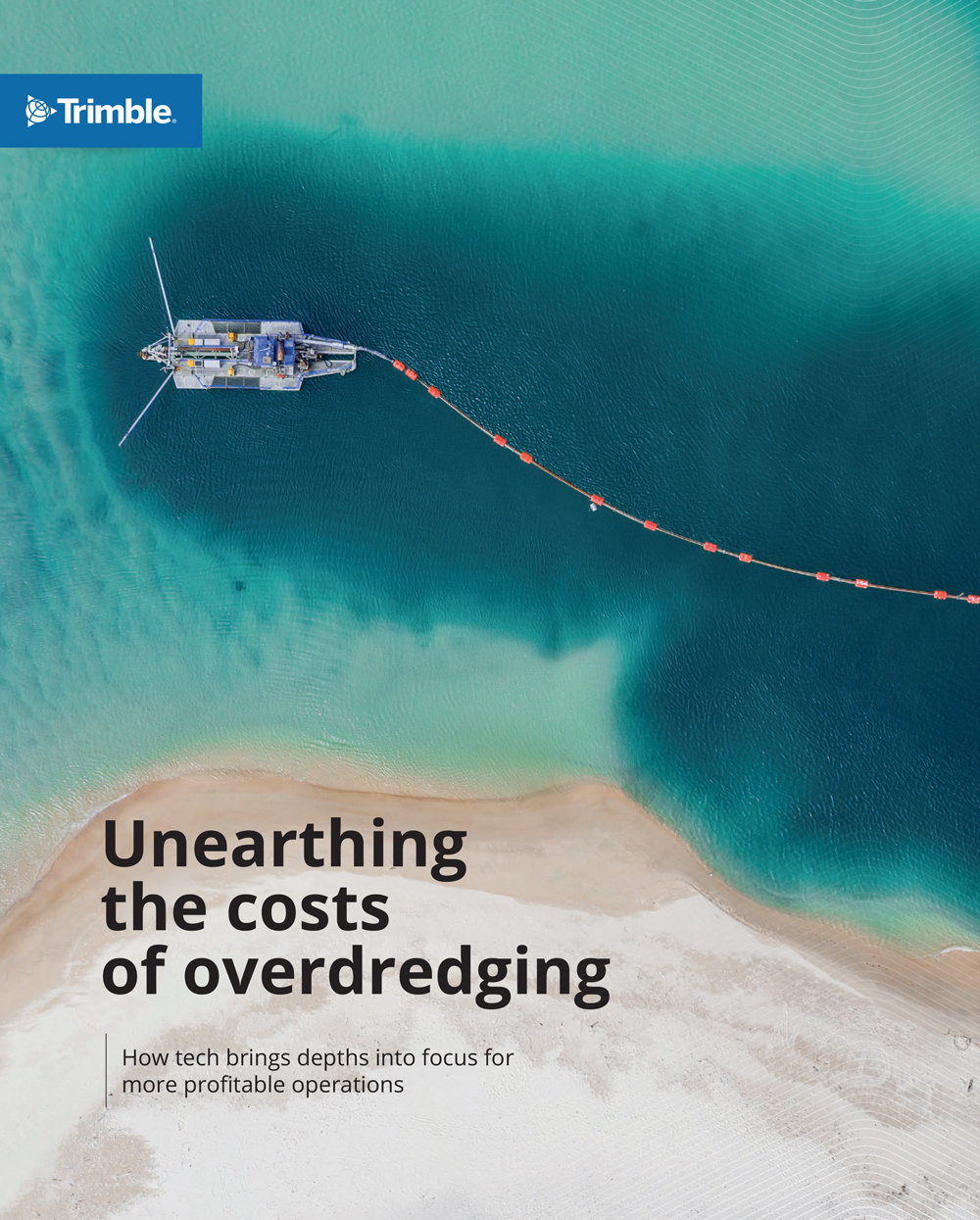
Whether you have questions, want to talk through your specific needs, or just want to dig deeper, you can request our new white paper “Unearthing the Costs of Overdredging”—or go a step further and book a personalized demo.
Request more infoFrom Models to Machines
One of the session highlights was the discussion on 3D surface models. Mike explained how accurate digital terrain models can be layered over real-world coordinates, giving operators a clear picture of what lies beneath the water’s surface.
These models feed into guidance systems mounted on marine equipment—allowing operators to see exactly where to dig, dump, or place materials in real time.
Real-World Results
To bring the technology to life, Mike shared real-world project examples. From harbor deepening to reef restoration, each case study showed how guidance systems helped reduce rework, minimize environmental impact, and stay on schedule.
Q&A Highlights
The webinar wrapped with a lively Q&A. Attendees asked about compatibility with older vessels, the ROI on adopting guidance systems, and how Trimble supports training and onboarding. Mike emphasized the importance of choosing scalable systems and working with experienced dealers who can tailor setups to specific needs.
Conclusion
Marine construction is no longer limited by what can be seen on the surface. With real-time data, correction services, and 3D models, contractors now have the tools to work smarter, safer, and with more precision than ever before.
As Mike put it: “We’re not guessing anymore. We know.”
For those who missed it, the webinar replay is available to watch on demand.
Hosted By

Presented By

