The secret to avoiding conflict? Detailed yet flexible planning.
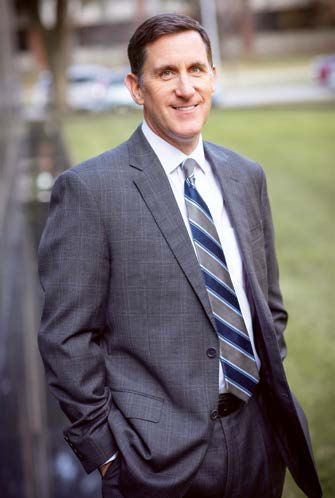
Chris Sullivan is a construction professional who specializes in avoiding conflict—and resolving it when it occurs. He is president of Interface Consulting, a company that provides a range of services to the industry that include construction management, claim and dispute arbitration and litigation support.
Interface Consulting was recently acquired by B. Riley Advisory Services, a diversified financial services firm.
With a degree in chemical engineering and an MBA, and trained as an arbitrator, Sullivan is, as described in his profile on the Interface website, “experienced in contract execution, including project development, engineering, procurement, construction and project controls.”
Marine Construction Magazine spoke with Chris Sullivan about the best practices to avoid conflict in construction projects.
MCMag: How did Interface get started?
Chris Sullivan: Frank Adams, founded it in 1986 in Houston. That was during an oil bust. A lot of companies were contracting, and he thought it was a great time to start a consulting business. His focus was construction management of offshore marine construction projects. Over the years, we’ve expanded from that.
MCMag: How do you avoid conflict in construction projects?
Sullivan: First of all, the project has to have sufficient planning to define the scope of work. All too often we see owners who try to short-circuit the front-end engineering process and go out for bid on an incomplete scope of work. If the scope of work isn’t complete, it will evolve over time, which will lead to cost increases, delays, and changes that require rework—and all of that leads to disputes.
One of the most important things is to make sure that prior to going for bid, owners invest enough time in the engineering to properly define the technical requirements and the construction requirements and make sure it’s clear to the bidders what they’re asking for.
That’s the first thing. Once the scope is defined, there’s an old saying, “Failing to plan is planning to fail.” A prudent contractor needs to develop detailed written plans—execution plans for how they’re going to do the work, who’s going to do it and what their schedule is. Once you define what you’re going to do, how you’re going to do it and when you’re going to do it, you can properly come up with an estimate.
A lot of contractors don’t take enough time to analyze bid documents. If they don’t think through these details and they’re awarded the work, they may suddenly find out that the work is more complex or more costly. That’s going to lead to disputes between the owner and the contractor.
MCMag: One of the services that Interface lists on its websites it does is forensic accounting. Can you describe that?
Sullivan: When we look at construction claims or litigation or arbitration of construction projects, everything boils down to time, schedule and money. One party thinks they’re owned a certain amount of money due to the actions or inactions of the other party. Evaluating costs and quantifying damages is very important. We do it from a construction management standpoint, from a technical point of view. To the extent that there are issues with accounting practices and valuations of damages, now that we’re aligned with B. Riley, we think there will be some synergies there. They have very experienced forensic accountants and other types of financial modeling.
MCMag: What are some common mistakes that construction companies make in the bidding process?
Sullivan: Over 40 years, we’ve compiled a long list “lessons learned” and what to avoid to stay out of trouble.
“Sometimes issues are not timely identified. Everybody’s afraid to write the difficult letter to the other party to document an issue.”
Some of the more common issues stem from the fact that there are always changes. I don’t think I’ve ever seen a project that didn’t have changes. It’s critical to just make sure that those changes are timely identified, that they’re defined and that the parties manage the changes.
All too often there’s no resolution of what the impact on cost and schedule would be, so the parties end up doing the work and fighting about the changes later.
Another area we see from time to time is contractors straying too far from their core competencies. We had a contractor years ago who was very good at doing retail construction. They did a lot of stores that you see in shopping malls. Those buildings tend to be cookie-cutter and a lot of the finishing details are the same from project to project. They took up a construction project for a medical facility, which obviously was a very different type of construction. And in the end, I think they realized that they needed to stick to what their core competency was.

Another issue is when owners and contractors first start a project—we call that the “honeymoon phase”— and everyone’s optimistic about the outcome. No one wants to be the bearer of bad news. Sometimes, not all the time, issues are not timely identified. Everybody’s afraid to write the difficult letter to the other party to document an issue. They don’t want to be seen as litigious, but sometimes you’re required by contract to provide timely notice of issues so that the parties can work together to mitigate the damage or help manage it. Often the lack of documentation on issues between owners and contractors leads to further conflict down the road.
MCMag: If you had to narrow down avoiding conflict to one thing—whether it’s something to do or to avoid— what would that be?
Sullivan: The biggest source of conflict—some thing to avoid —is not having a clear scope of work on Day 1. If you don’t know the entire scope of work then, again, things change and evolve and that typically leads to more cost and delays and rework. So, it’s making sure that parties are in alignment as to what the scope of work is, and to the extent that there are changes, you need to timely identify them and manage them and have agreement as to what the impacts will be. Making a change on Day 2 of a project is less expensive than making the same change on Day 200 of the project. The further along in the project you make a change, typically the more expensive it is because there’s more rework, and that can apply to all kinds of engineering and construction projects.
MCMag: Are there any issues that are especially relevant to marine construction?
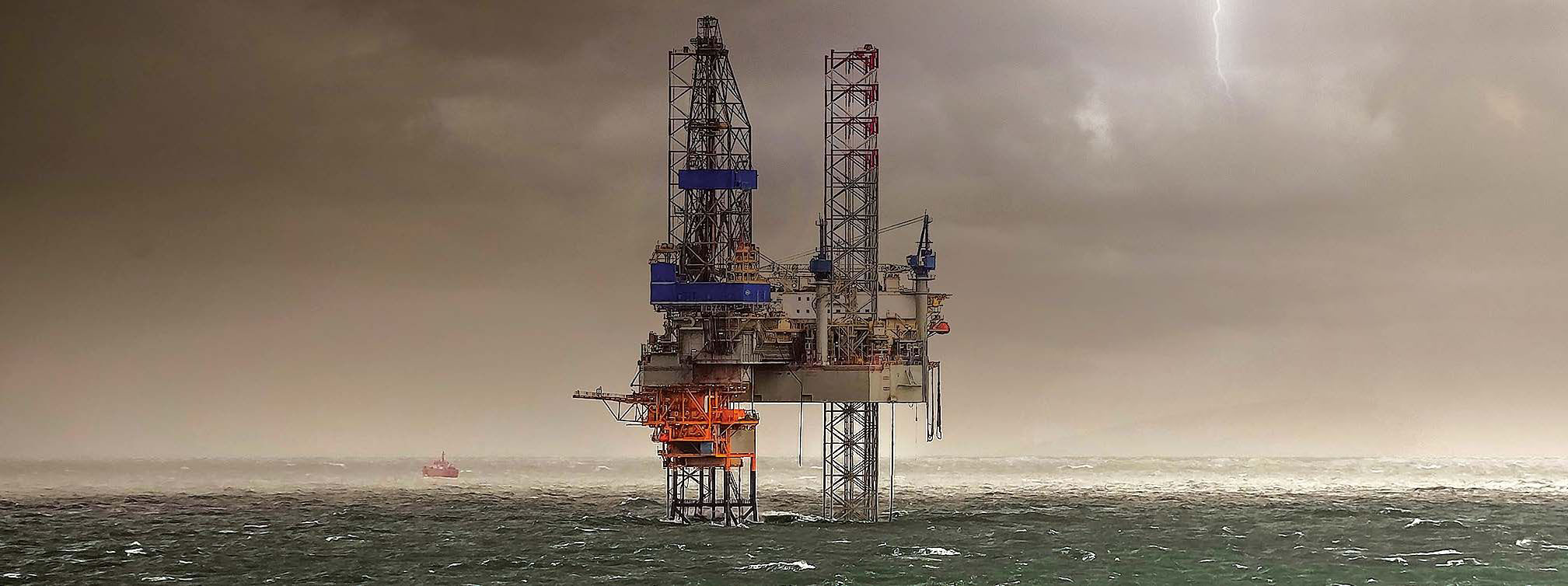
Sullivan: We’ve done a lot of work over the years on subsea pipelines, offshore oil and gas platforms, development projects on the Gulf of Mexico or off the coast of Africa.
The problems are similar to what we just talked about, but with marine construction, the problems can be exacerbated or amplified because you’re working on the open water. Changes are more expensive when you’re housing people in floating hotels, or “floatels,” as they call them.
“Making a change on Day 2 of a project is less expensive than making the same change on Day 200 of the project.”
Another layer of complexity for offshore construction is that you’re often constrained by what construction equipment will be available and when. The availability of heavy-lift equipment and barge cranes can dictate when you load out the modules for a rig. Take load-out schedules, for example. You may have a heavy-lift crane that’s only available for a certain window of time, and if there are delays, oftentimes you may load out an incomplete platform and finish the work out in the Gulf.
You also have another element that you don’t have onshore. Tropical storms and hurricanes lead to very disruptive things in offshore construction.
MCMag: What are the keys to avoiding disputes on marine construction?
Sullivan: Many of the same principles from onshore construction projects apply offshore construction, such as taking the time to properly define the scope of work before going for construction bids and timely identifying and finalizing changes as they occur rather “kicking the can down the road” and fighting it out later. However, the biggest difference between marine construction and onshore projects are the variables that are beyond anyone’s control, namely unpredictable weather (tropical storms and hurricanes), the logistics of getting material and labor sometimes hundreds of miles offshore, the need to provide floatels to house the construction labor, shipping schedules for material deliveries and availability of heavy lift marine construction equipment.
Owners and contractors have to be flexible and deal with change to avoid conflict.