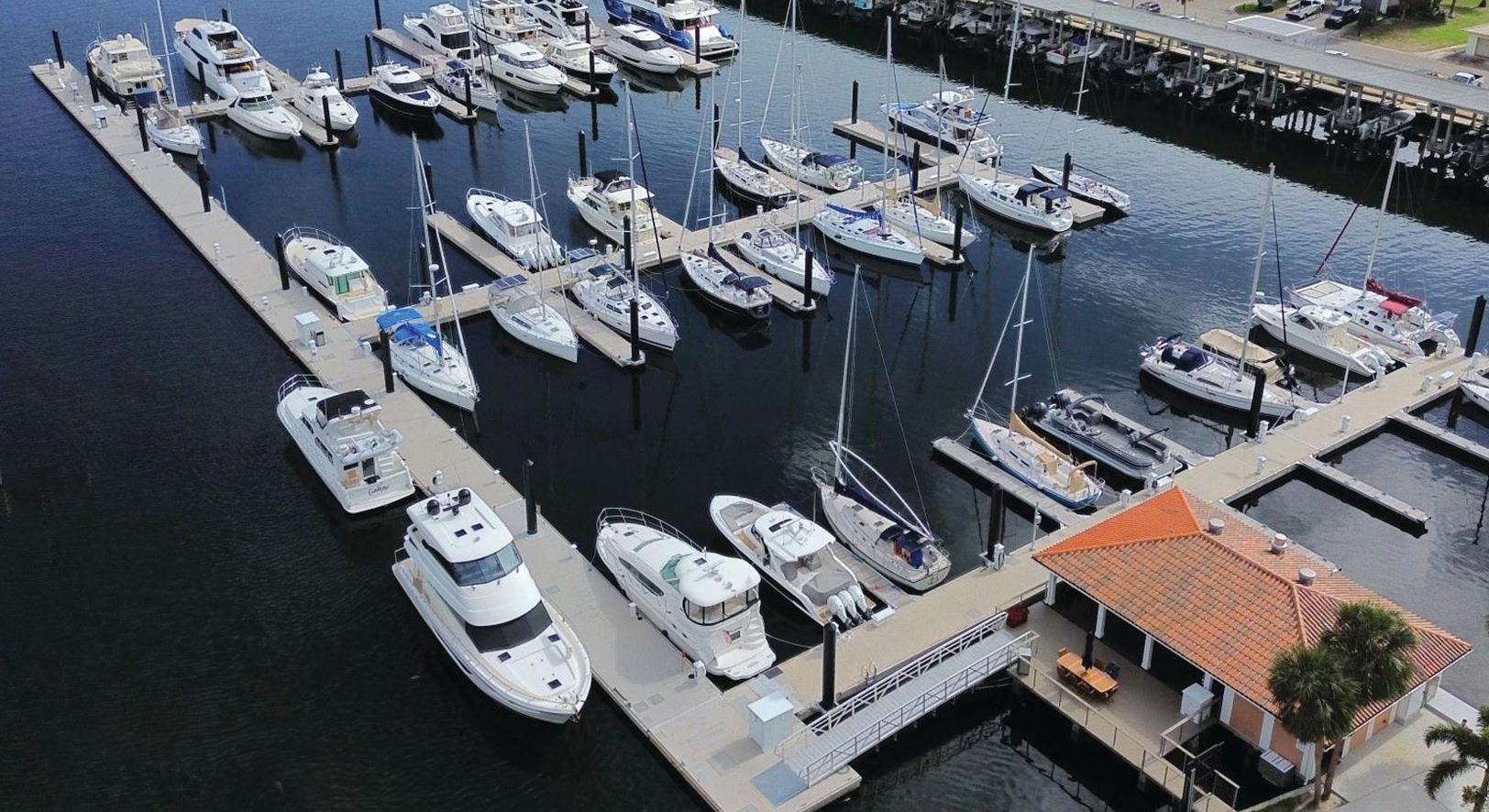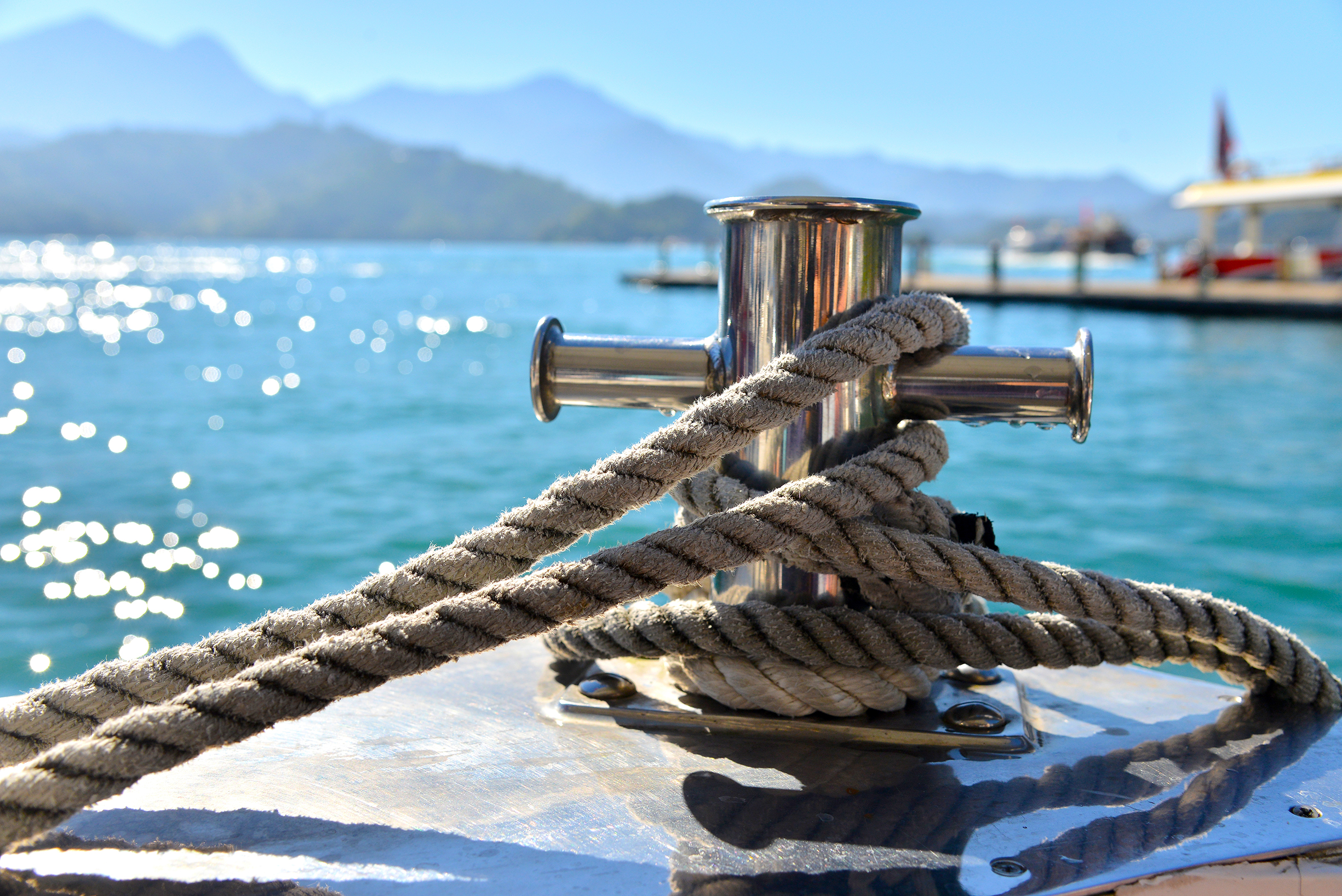
A “mooring system” refers to the various components – an anchor, a piling, a rode (typically a rope, chain, or cable) designed to secure a floating dock system to a point on the bottom of the seafloor without connecting it to land.
There are five basic types of anchors used in the mooring/securing of Floating Docks:
Deadweight Anchors: Deadweight anchors are the simplest type of anchor. Their holding power is through weight. Once the heavy weight settles on the bottom, the anchor becomes embedded and the suction effect helps to increase its holding power. Deadweight anchors can be made of most any heavy object but are typically a large stone block or concrete. Due to their size and weight, these anchors typically require a barge to set.
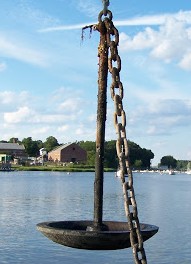
Mushroom Anchors: Mushroom anchors get their name from their shape, which looks like an upside down mushroom. They work best in mud, sand, silt or other soft ocean bottoms where they can be easily buried. Once buried, a mushroom mooring is typically thought to be able to hold up to 10 times its weight. In certain conditions, mushroom anchors that are not properly embedded in the bottom can dislodge and lose holding power. This is commonly referred to as “spin out.” Additionally, mushroom anchors run the risk of having the chain wrap around the shaft of the anchor when not properly set. This can reduce the scope of the mooring.
Pyramid Anchors: As the name implies, these one piece cast iron anchors are shaped like a pyramid. Pyramid anchors are essentially a redesigned version of a mushroom anchor. They are comparable in terms of holding strength, but their smaller size pyramid shape helps them penetrate the bottom more rapidly. Pyramid anchors have a shorter anchor shaft which helps to minimize the potential for chain wrap and also makes then useful in more shallow water settings. These anchors are used in hard, rocky or sandy bottoms.
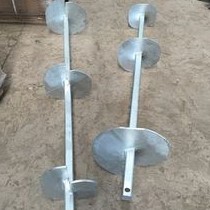
Helix Anchors: Helix (or screw-in) anchors are made of high tensile steel with an attachment eye at the top and large threads at the lower end. These anchors come in various but more commonly (8 ft.) lengths.
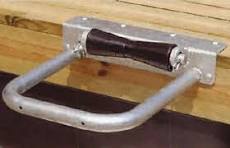
Piling: These would have to be the most secure way to secure a floating dock; via a Timber, Concrete, Steel or Composite Pile, this singular structural members driven into the seafloor offer great stability and limited side-to-side movement of any floating structure. Generally secured to the pile by way of a “Pile Loop”, the Pile Loop is mounted to the Floating Dock while allows for vertical travel of the dock to rise and fall with the tide.