Marina design and construction are becoming more important every year, as both the popularity of boating and the environmental risks to facilities are increasing.
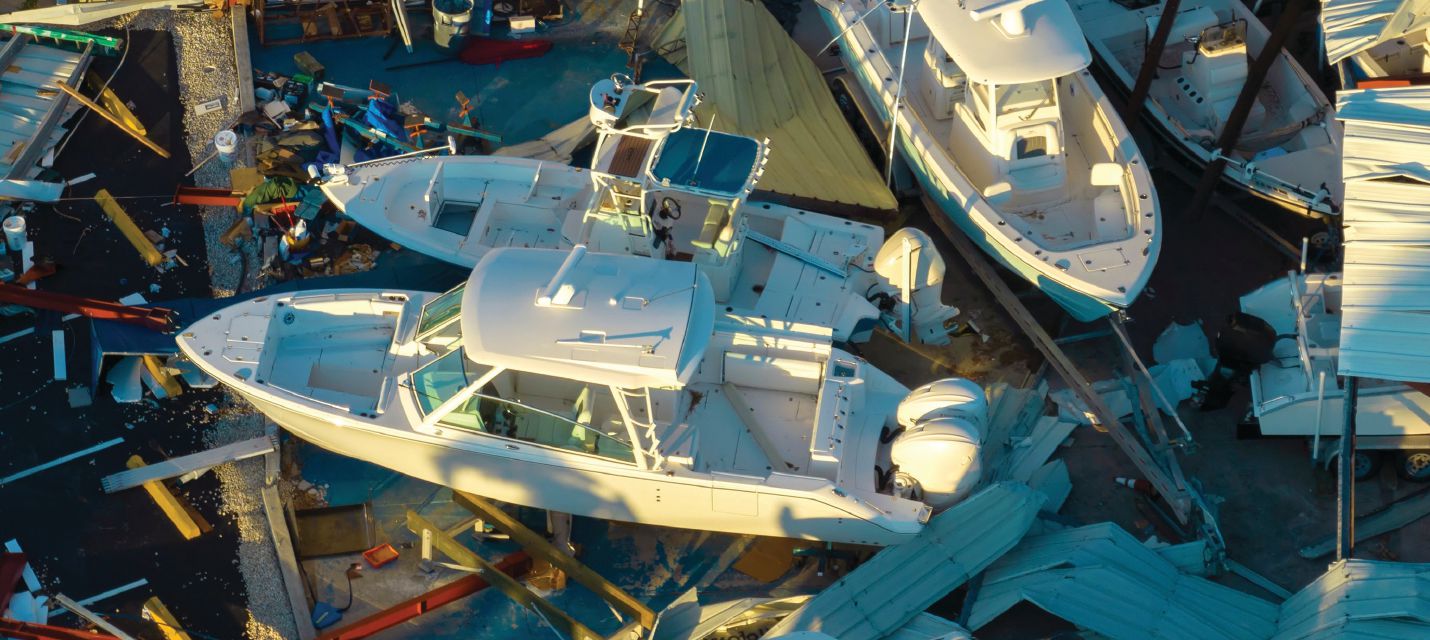
A marina that’s built (or rebuilt) to withstand a hurricane on the Gulf Coast or Atlantic Ocean will fare better than one with inadequate design for stronger storms and rising sea level.
And while it’s too late to take the most important and effective mitigation steps in time for the 2025 hurricane season, it’s not too early to think about the steps for 2026 and beyond.
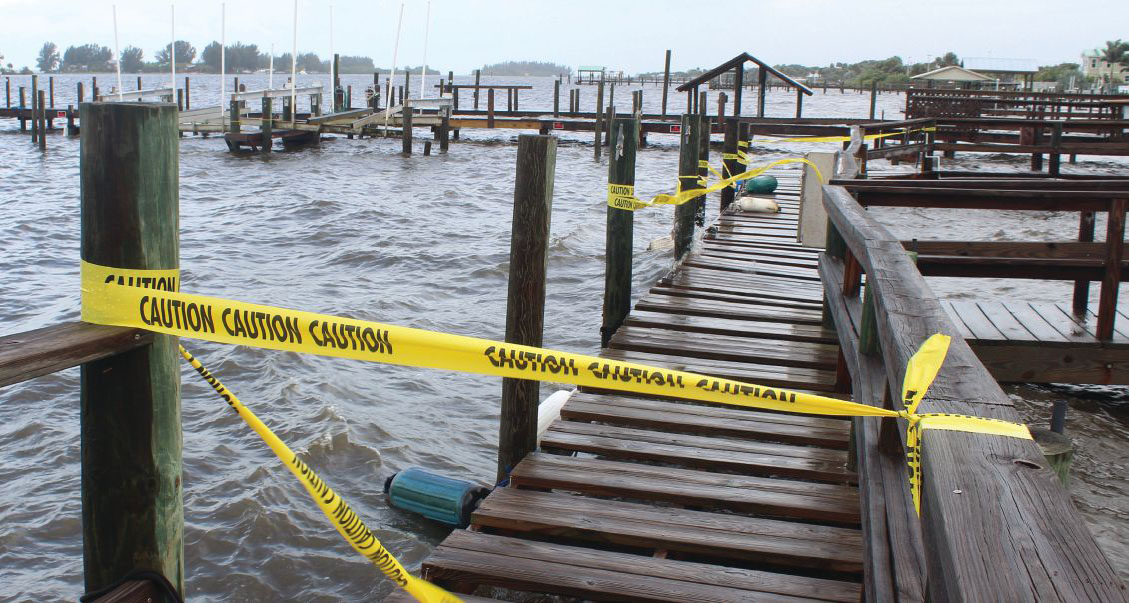
The following article is excerpted from Hurricane Preparedness Guidelines for Marinas, published in 2002 by the Coastal Georgia Resource Conservation and Development Council and the Coastal Soil and Water Conservation District and funded through a FEMA grant:
Preparing a marina for an approaching hurricane is a formidable task and will be performed under duress – not a time for last minute planing. These are advance planning steps:
Evaluate the Marina Protective Characteristics and Damage Potential
The following are facility and location characteristics to consider when developing your individual hurricane preparedness plan:
- Determine marina elevation above sea level.
- Determine possible direction and size of waves, and wind exposure.
- Determine predicted surge levels (Storm Surge Inundation Zones from the Sea, Lake, Overland Surge from Hurricanes or SLOSH models).
- Determine potential flooding from upland.
- What are potential storm effects on the marina? Predict potential protected areas.
- Determine the availability of “hurricane holes” or “Harbors of Refuge,” plus distance, protection of route, and estimated anchorage capacity.
- Assess adjacent upland damage potential; consider structures, utility corridors, topography, vegetation, etc.
- Assess structural aspects of and damage potential to docks and piers: piling size and type, type of docks and direction of slips, wood or concrete, cleat sizes and strength, berth layout, seawall protection, etc.
- Assess bottom characteristics, depths, and estimates of holding capacities.
- Assess structural aspects of and damage potential to buildings, including dry racks.
- Assess shut off and/or disconnect mechanisms for utilities (overhead lines, exposed water, electrical and fuel lines to docks).
- Finally, determine how safe he location is for marina employees and customers, the location of the nearest shelter and the evacuation route.
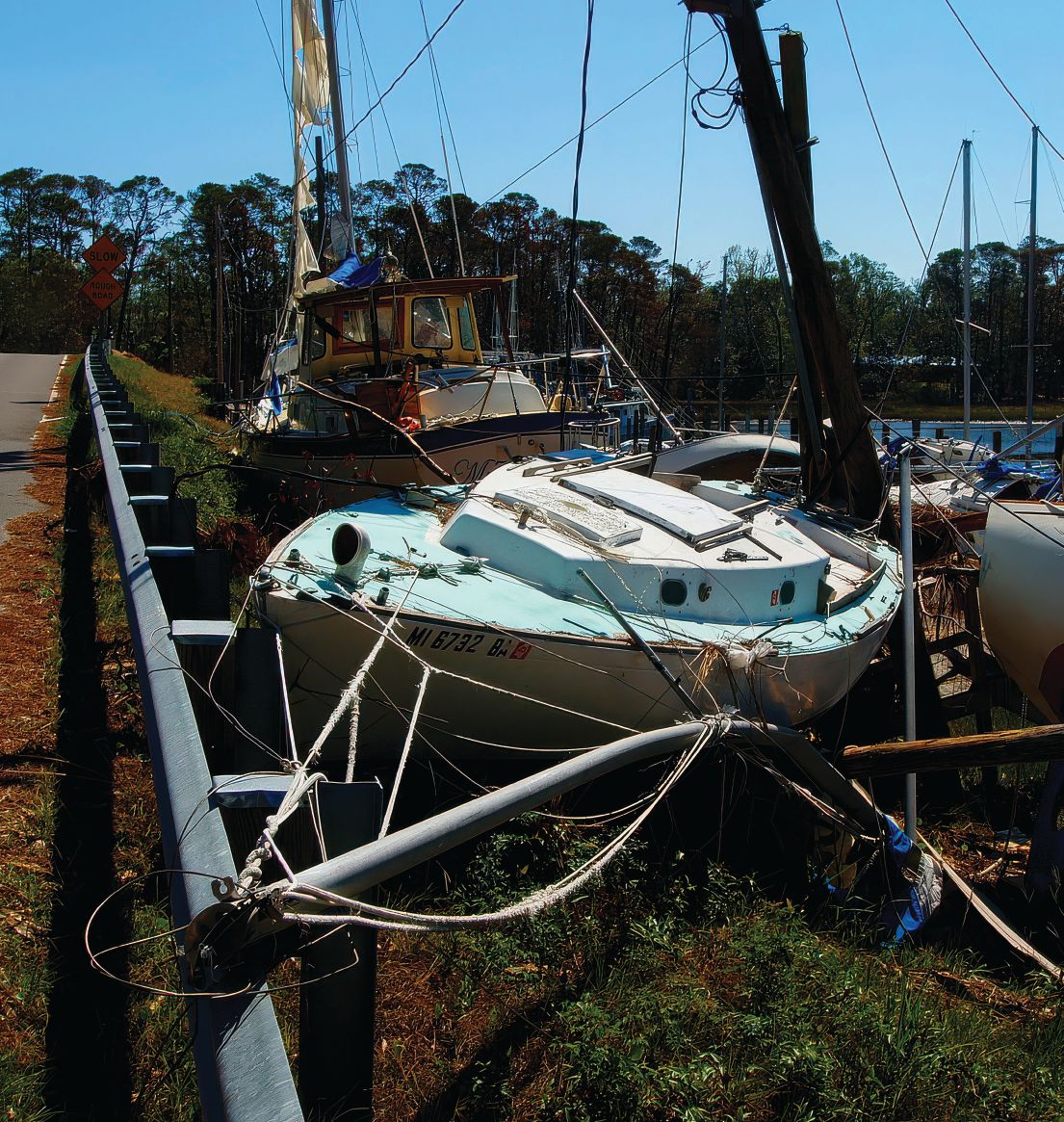
Evaluate the Marina Fleet
What can you expect in terms of storm readiness of individual vessels and how might the marina be impacted if all or part of the fleet is left tied to the docks during a hurricane.
- Estimate rental occupancy during hurricane season.
- Estimate potential transient traffic expected.
- Assess potential missile debris.
- Estimate number of boats from other local marinas or docks.
- Inventory occupant types power or sail, number, size, etc.
- Identify boats with local and absentee owners.
- Evaluate evacuation and anchoring capability of each vessel.
- Identify vessels that may be hauled, either at the marina or elsewhere.
- Determine which boats may not evacuate.
- Identify dry storage boats that will evacuate via trailers.
- Identify windage or other problems for each vessel, should it be left in the marina.
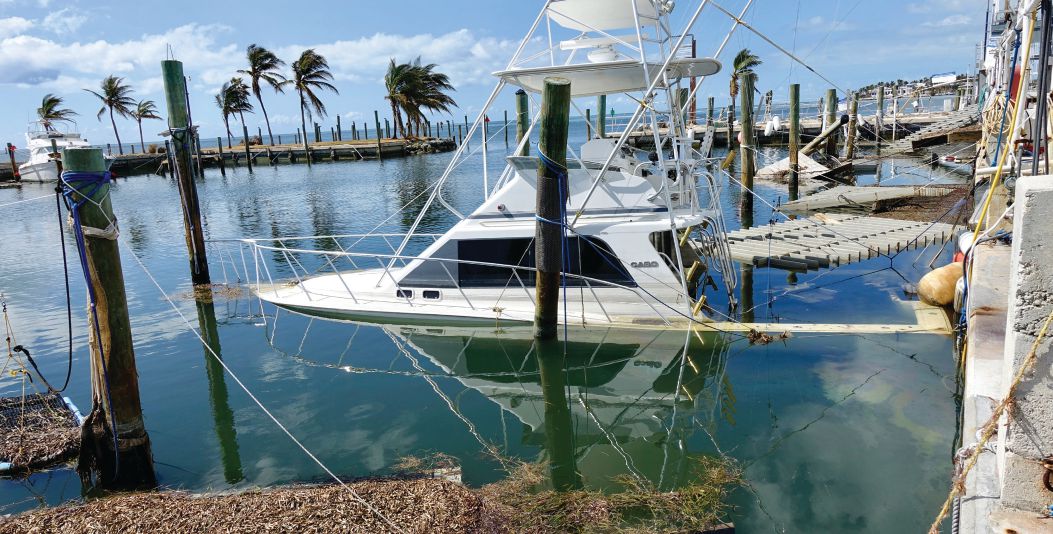
Conduct a Full Facility Housekeeping
Conduct a full facility housekeeping and “field day” or “field week” operation annually. Sometime in the spring or just prior to the hurricane season inspect and clean up all open areas and structures within your facility. This should include, but is not limited to, the following:
- Remove all debris, trash and unnecessary items from open areas.
- Trim all trees and shrubs and dispose of cuttings.
- Secure all trash bins and dumpsters in protected service areas.
- Store or otherwise secure all materials and supplies. Move them inside or to protected areas if possible.
- Dispose of or secure all salvaged or abandoned hulls, equipment and pails.
- Inspect and service as necessary all building walls, roofs, windows and doors.
- Inspect, service and/ or repair as necessary all docks, piers, wharfingers or stepfingers and pilings.
- Inspect and service as necessary all electrical and lighting installations, all fuel and natural gas supply and dispensing quipment.
- Inspect and have serviced as necessary all fire fighting equipment both portable and fixed installations. Consider having fire-extinguishing equipment serviced by a professional service just prior to hurricane season and inspected by facility personnel on a monthly basis thereafter.
- Inspect and service as necessary all lifesaving equipment such as life jackets, work vests, life rings and lines, life rafts or rescue vessels.
- Check first aid supplies and replenish.
- Check all dry storage areas and racks for soundness and security. Note protection afforded same and consider associated hazards and risk of contents.
- Inspect and service all hauling equipment such as mobile lifts, hydro-lifts and railways.