Golden Marine Systems is a designer and builder of docks and marinas, and a sister company of Golden Boat Lifts, which manufacturers boat lifts and marine infrastructure components. Located in the hurricane-vulnerable recreational marine center of Fort Myers, Fla., Golden Marine Systems emphasizes proactive measures to mitigate potential damage and ensure safety.
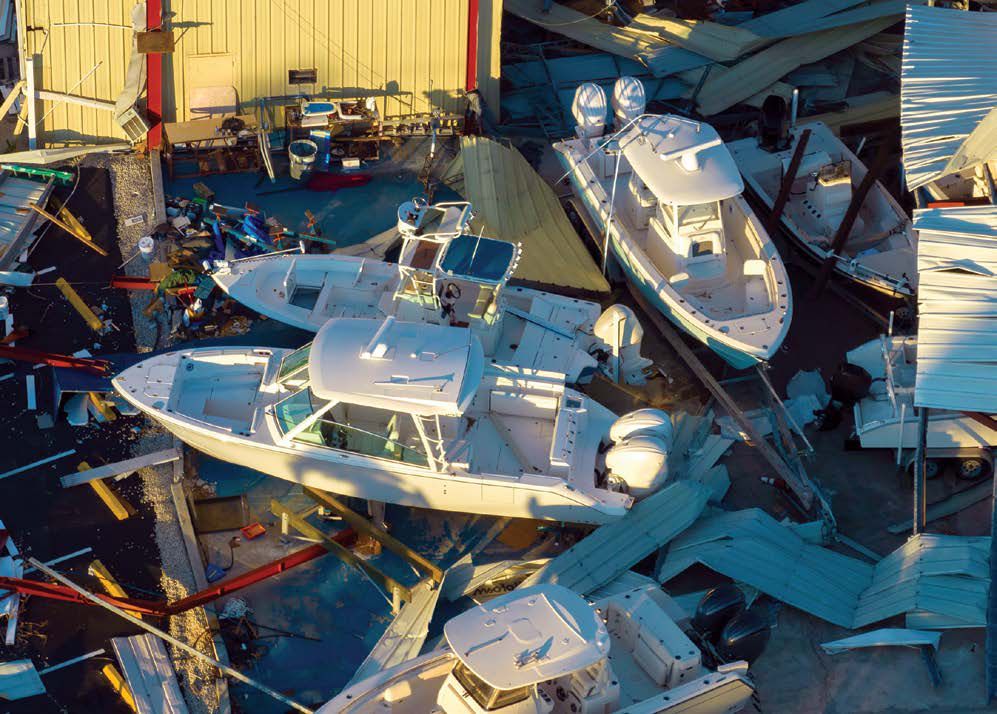
And it has the experience to back up its recommendations. In the last 20 years, no fewer than four hurricanes have struck Fort Myers and the surrounding area—Charley in 2004 (145 mph winds), Wilma in 2005, Irma in 2017 and Ian in 2022, with 150 mph winds and 149 deaths.
Michael Shanley is president and CEO of the company. Marine Construction Magazine spoke with Shanley as the height of the Atlantic hurricane season approached … and as the tropical depression that would become Hurricane Debby churned in the Caribbean. We asked Shanley about both the immediate steps to mitigate an identified threat, as well as the advance principles to build a marina that’s sustainable and hurricane-resistant.
MCMag: Things are heating up in the tropics as we speak. What are the steps that marina and boat owners need to be thinking about before a storm approaches?
Shanley: Assuming that you already have a hurricane plan, you need distribute the plan to all employees, assign personnel to do certain responsibilities, review the plans and procedures with tenants and contractors and get everybody familiar with what you expect.
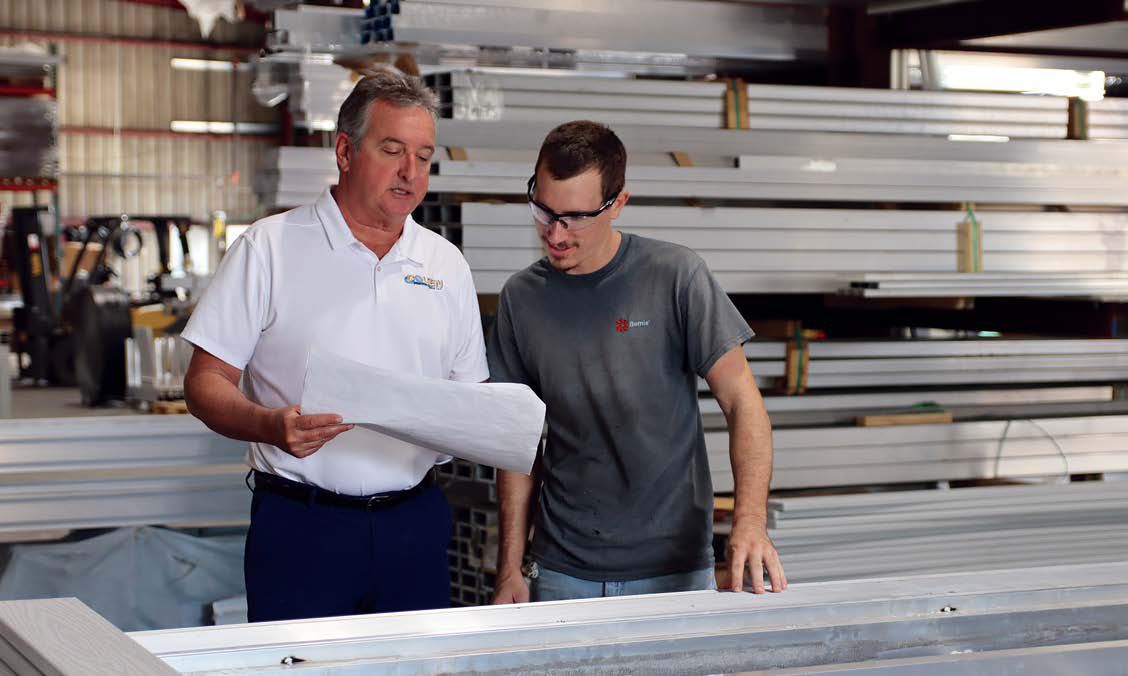
Plan for vessel movement if it become a requirement. Most marinas are good for up to Category 1, but anything above, we ask people to remove their boats, so the customers have to have a plan, as well. You have to make sure that customers have insurance and that everything is covered, whether that’s naming the marina as a co-insured or not.
Your plan should include facility cleanup that you’d do prior to the storm, such as securing loose items and materials. If boats will be staying, make sure that all the lines are in good condition and of thickenough gauge, and make sure that the boats are tied properly.
For final preparation, when the hurricane’s approaching, complete all vessel preparations, release your employees and secure the premises. Lock all gates, fences and doors, notify the local authorities and evacuate.
During the storm, everyone needs to stay away from the marina, but stay informed. After the hurricane, you have to evaluate when it’s safe to access the facility. Check for flood and tornado damage, inspect all the fueling stations, document any damages and report them to insurance companies. Report deaths or injuries or vandalism, if any like that happened. Conduct immediate repairs, and inform the clients if the marina is going to be open and what their access is. Of course, contact all your staff, make sure everyone is safe and inform them of what the plan is to come back into operation. That’s just the elevator pitch. There’s an extensive plan which we offer that covers all that in detail.
MCMag: What are the key factors in designing a marina to withstand hurricane forces with minimal damage?
Shanley: To build a sustainable marina, you have to focus on the right dock system to handle wind and wave situations. You have to engineer the pilings to make sure that they are robust enough, properly embedded and have the correct top elevation.
The dock and pile systems are are the primary strength of your marina. The first time I really saw that was Hurricane Sandy in 2012, where piles weren’t strong enough or high enough to handle the storm surge. Docks just drifted away. They floated right up above the piles and went with the wind. Hurricane Ian last year had in some cases above 13 feet of storm surge.
Prior to Ian, we were doing plus-10, plus-12 feet of pile top elevation, the top of the pile at mean high water level. Now, we’re recommending a minimum of 14 feet.
Then, of course, the embedment has to be analyzed. Soil conditions have to be determined and that has to be engineered so that the piles will hold.
MCMag: How did Golden Marina and the marinas you designed built fare in Hurricane Ian?
Shanley: Golden Marina had four marinas in Fort Myers, three of them on Fort Myers Beach, which took the worst of the storm surge. They survived because of how they were designed. The docks articulated in storm conditions and held together. The piles were high enough and properly embedded to handle the force.
As a result, we’ve been awarded the redevelopment work for several destroyed marinas in the area.
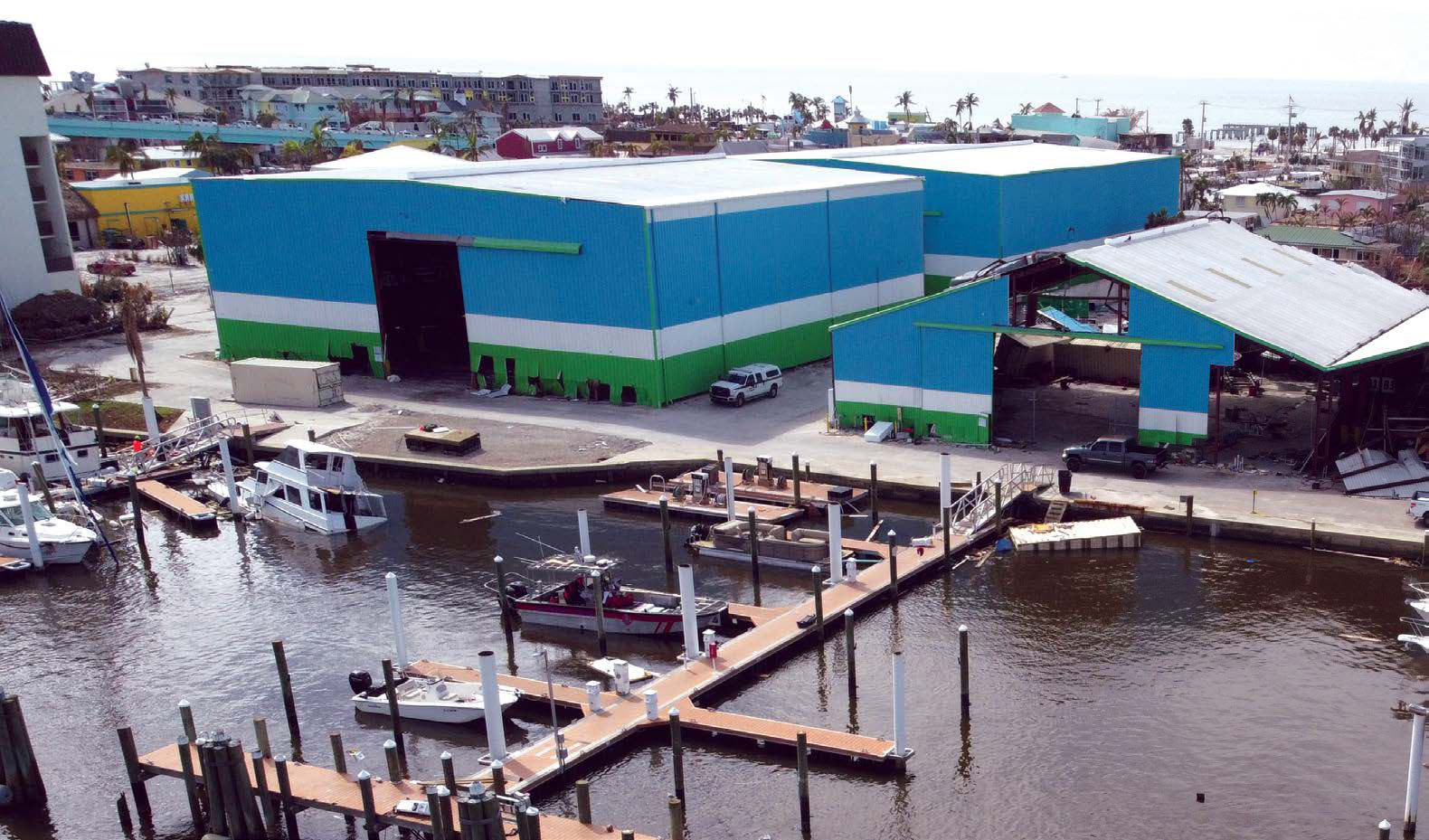
Preparing Marinas for Hurricane Season
Marinas are especially vulnerable to the storm surge, high tides, flooding and winds of strong hurricanes. Golden Marine Systems offers the following advice for marina operators and boat owners:
- Develop a comprehensive emergency plan: Create a detailed plan outlining procedures for securing the marina, evacuating vessels, and ensuring personnel safety. Regularly review and update the plan based on past experiences.
- Secure infrastructure: Inspect docks, piers, and other structures for wear or damage. Reinforce weak points and secure loose items to prevent them from becoming projectiles in high winds.
- Secure vessels: Ensure all vessels are properly secured with adequate lines and fenders. Consider relocating boats to safer locations or hauling them out of the water.
- Remove potential hazards: Clear debris, including equipment, trash, and vegetation, to prevent hazards during storms.
- Communicate effectively: Maintain open communication with marina tenants, local authorities, and emergency agencies. Keep stakeholders informed and provide guidance on evacuation procedures.
- Monitor weather conditions: Stay informed about approaching storms by monitoring forecasts from the National Hurricane Center and local authorities. Take proactive measures based on the latest information.
- Prepare for power outages: Develop contingency plans for power outages, including backup generators and emergency lighting. Ensure essential equipment remains operational during power loss.
- Stay informed and flexible: Remain vigilant throughout hurricane season and adjust plans based on evolving weather conditions and guidance from authorities.
The company’s complete (and free) Hurricane Preparation Plan for marinas can be downloaded at: https://goldenmarinesystems.com/wp-content/uploads/2024/05/ Marina-Hurricane-Prep.pdf