The physical laws that allow for the ocean’s profound soundscape create a challenge for marine construction. How do we keep sound levels safe for marine life?
By Joe Krawczyk and Jillian Duggan
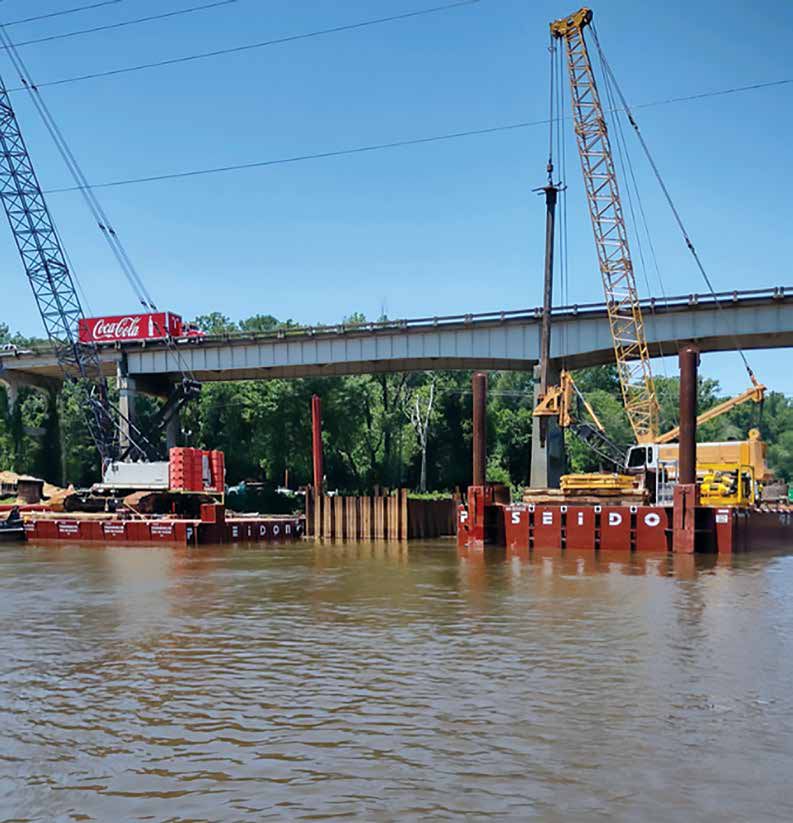
Marine construction is generally loud, and it’s even louder underwater.
Sound travels faster and farther underwater than in air—the higher density of water means sound travels over four times faster underwater. Marine mammals use this high speed soundscape to communicate, find food, care for their young and navigate their world. Unfortunately, loud noises from marine construction and other sources can interrupt marine mammal survival.
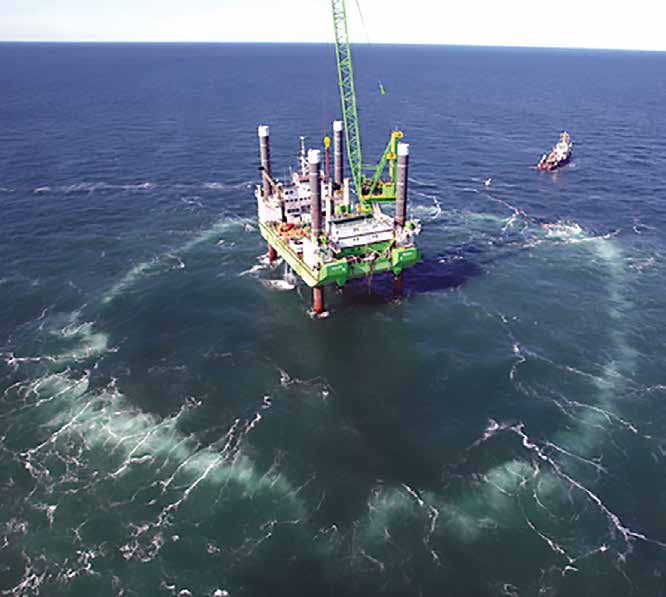
The physical laws that allow for the ocean’s profound soundscape create yet another challenge for marine construction. How do we keep sound levels safe for marine life while doing loud marine construction tasks like pile driving? This is a question being asked by contractors, environmentalists and policy makers.
The marine soundscape entered the research hot seat in the past decade after whales started turning up dead without an explanation. Further research pointed to extreme noise pollution across the oceans creating a disorienting experience for many whales. Extremely loud sounds have forced whales to dive too deep and cause physiological problems in orienting themselves. The result has been, too often, whales that end up beached or dying.
Other studies have found that long, high-level sound exposure can harm the hearing of marine mammals, just as it does in humans.
Given the importance of sound to the marine mammal world, it is crucial to consider how the introduction of human noise from marine construction affects their well-being. We need to consider the noise from any large acoustic project— underwater military exercises, bomb detonation, air guns, seismic surveys, blasting, and pile driving for wind farms.
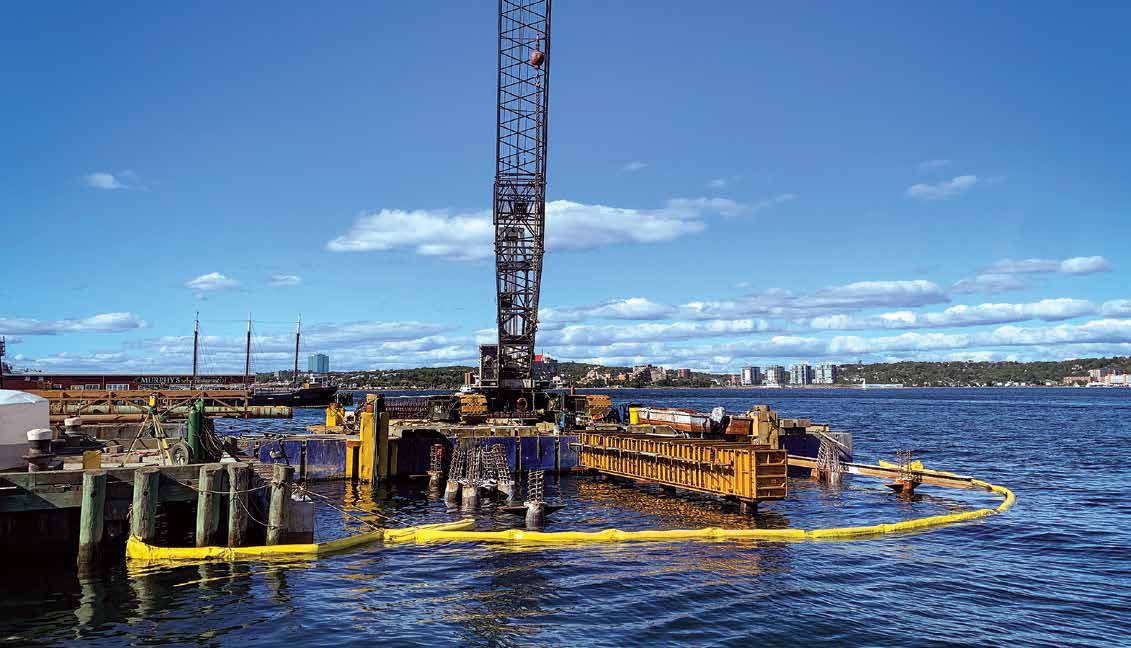
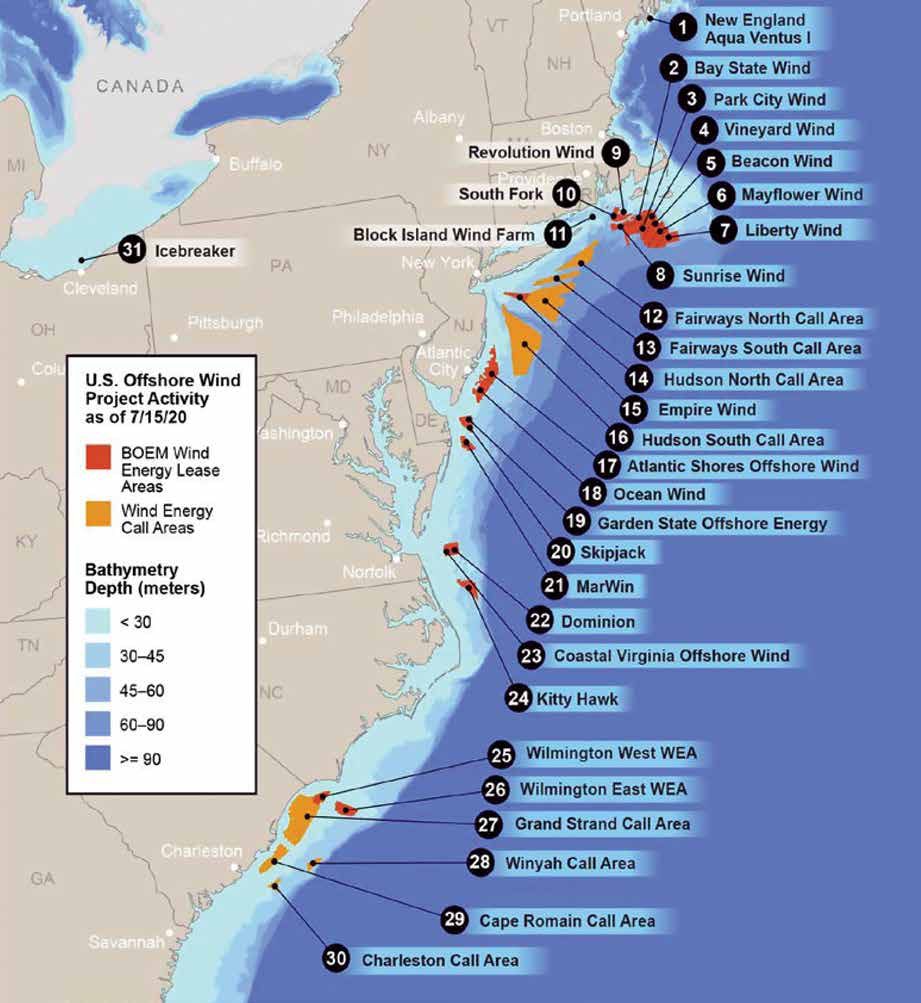
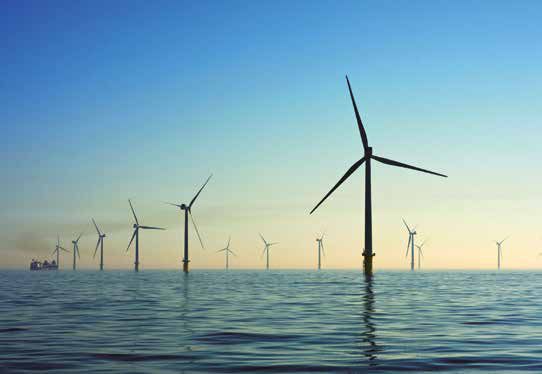
Business in marine construction is booming. According to 4C Offshore, in the U.S. alone there are currently 162 offshore wind farm projects planned, two of which are currently operating, and 17 of which have reached the permitting phase. This means many offshore wind projects are on the way, and even more offshore pile driving is coming to an ocean near you.
While regulations are being developed to help protect marine life during a construction project, the current landscape of regulation isn’t so straightforward.
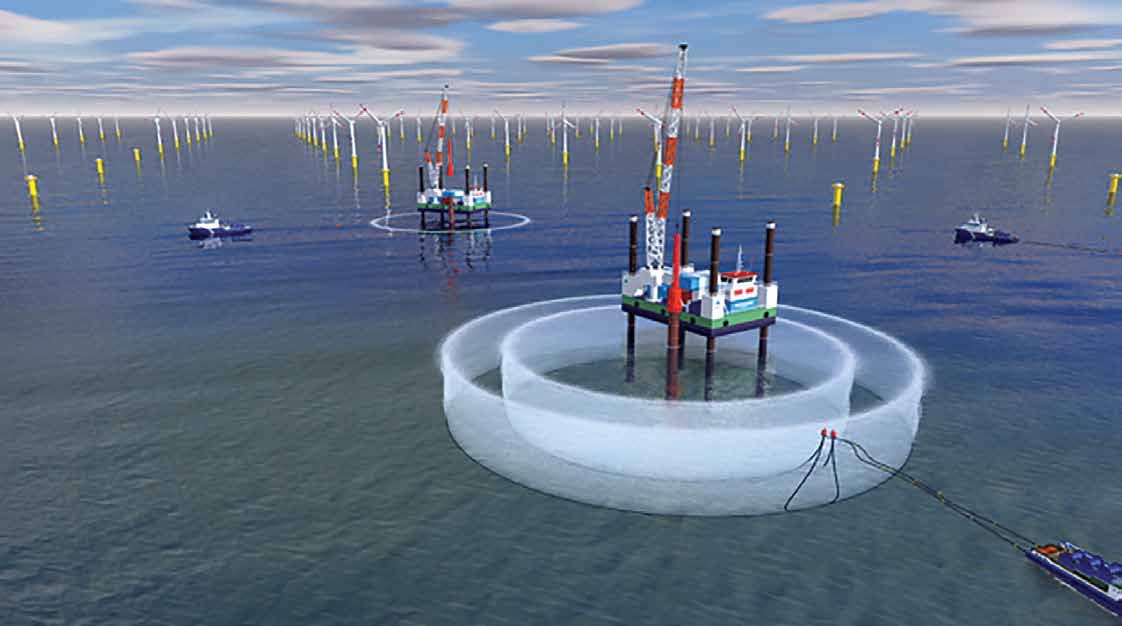
Northern European countries have the world’s strictest regulations for Sound Exposure Levels (SEL) and Sound Peak Levels (SPL) in marine construction. Germany has arguably had the most effective sound mitigation and is often considered a benchmark globally for sound regulation with pile driving for offshore wind. In fact, many EU member states have adopted their regulations, and countries outside the EU are looking to adopt the same standards. German regulation standards restrict pile driving to a 160dB re 1μPa2s SEL and 190 dB re 1μPa2 SPL at 750 meters from the piling location, along with technical sound mitigation efforts such as underwater bubble curtains to limit the sound impact area.
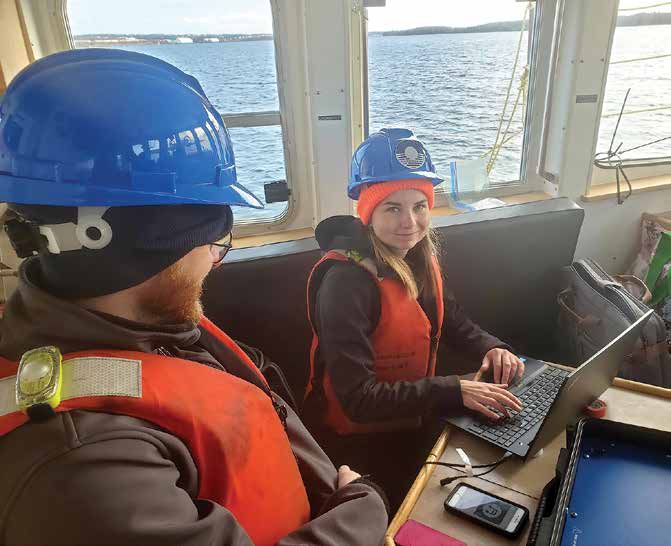
Extensive real-time acoustic monitoring is needed throughout the entire construction process—during preliminary assessment, to create environmental baselines for the piling location; and during piling, to ensure that the mitigation technologies are functioning correctly, and to ensure that regulations are being followed.
In the U.S. and Canada, regulations are set on a case-by-case basis with regulatory information provided by the NOAA and Canada’s Department of Fisheries and Oceans Canada (DFO). In Canada, every pile driving operation bid must include an environmental monitoring plan which will ensure the least possible disruption to the environment. Our partners at Triton deal with this daily.
Ocean Sonics hydrophones supply real-time acoustic data, and the software can signal when SEL or SPL events reach regulatory levels. The icListen RB9-X2 hydrophone has been specially designed for marine construction, with a plug-and-deploy design, and a peak input level of 210 dB.
As the search for clean power continues and offshore wind becomes more popular, we predict that the German regulations for anthropogenic sound will become the standard in more countries across the world. Ships have started preparing simple but effective changes to their propellers to help reduce shipping noise. Bubble curtains will improve and become more effective at reducing the impact area of noise. Policy is being written across many industries, and the global pandemic has provided researchers with new benchmarks for sound in the ocean. For these reasons, we are optimistic about ensuring sustainability in the booming blue economy. Ocean Sonics will be there to gather acoustic data to give our oceans a voice.
For more information about Ocean Sonics and sound regulation for marine construction projects, email us at [email protected].
Joe Krawczyk is the public relations and marketing coordinator for Ocean Sonics, which is located in Truro Heights, Nova Scotia, Canada. Jillian Duggan is the biologist for Ocean Sonics.