A FEMA Guide
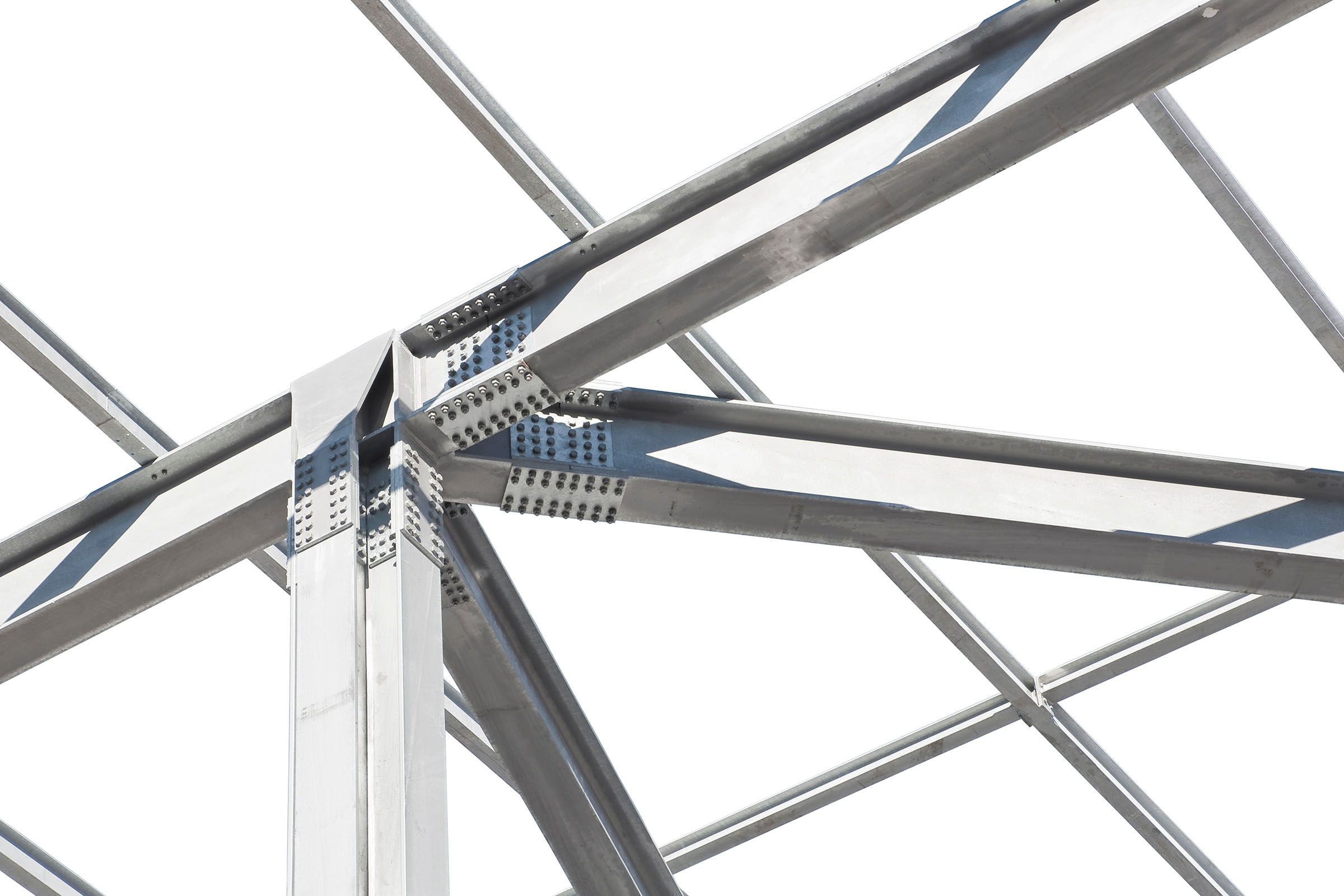
For many connector applications in corrosion-prone buildings, using materials with enhanced corrosion resistance is the best solution for new construction, and is also recommended for replacement connectors during maintenance or repair/renovation of existing construction. The choice of alternative connector material or coating specification should be guided by the following criteria:
- Location of the building relative to the observed corrosion hazards (primarily distance from the coast), as noted in Section 6
- Where the connectors will be used, as noted in Section 7
- Importance of the connection to the structure’s load path, as noted in Section 4
- Life-cycle cost-effectiveness of the connector for the structure’s service life, as noted in Section 9
- Long-term viability of the structure based on its potential service life and the need to maintain a proper load path throughout the life of the structure
Metal connectors with minimal galvanizing on oceanfront buildings are expected to corrode at high rates. In most communities, as buildings are constructed farther from the oceanfront, the rate at which corrosion occurs should decrease significantly at distances of 300 to 3,000 feet landward of the ocean.
Building owners may want to consider using hot-dip galvanized or stainless steel connectors farther inland than the 3,000 feet landward of the ocean guideline.
A site survey of surrounding buildings and structures may provide information on the severity of corrosion in specific areas, which will affect the useful life of connectors and fasteners. Another key factor for material selection is the exposure class of the connectors and fasteners; exposure classes are listed in Table 3 in order of decreasing severity of corrosion at particular locations. Since access to inspect or replace connectors and fasteners is a key consideration in whether to use more corrosion-resistant materials, an assessment of the severity of corrosion in the area and exposure class may provide additional insight into whether to use upgraded fasteners and connectors.
When the severity of the exposure is unknown, selecting more corrosion-resistant materials is prudent. In most cases, a Type 304 or Type 316 stainless steel connection or fastener will provide superior corrosion resistance.