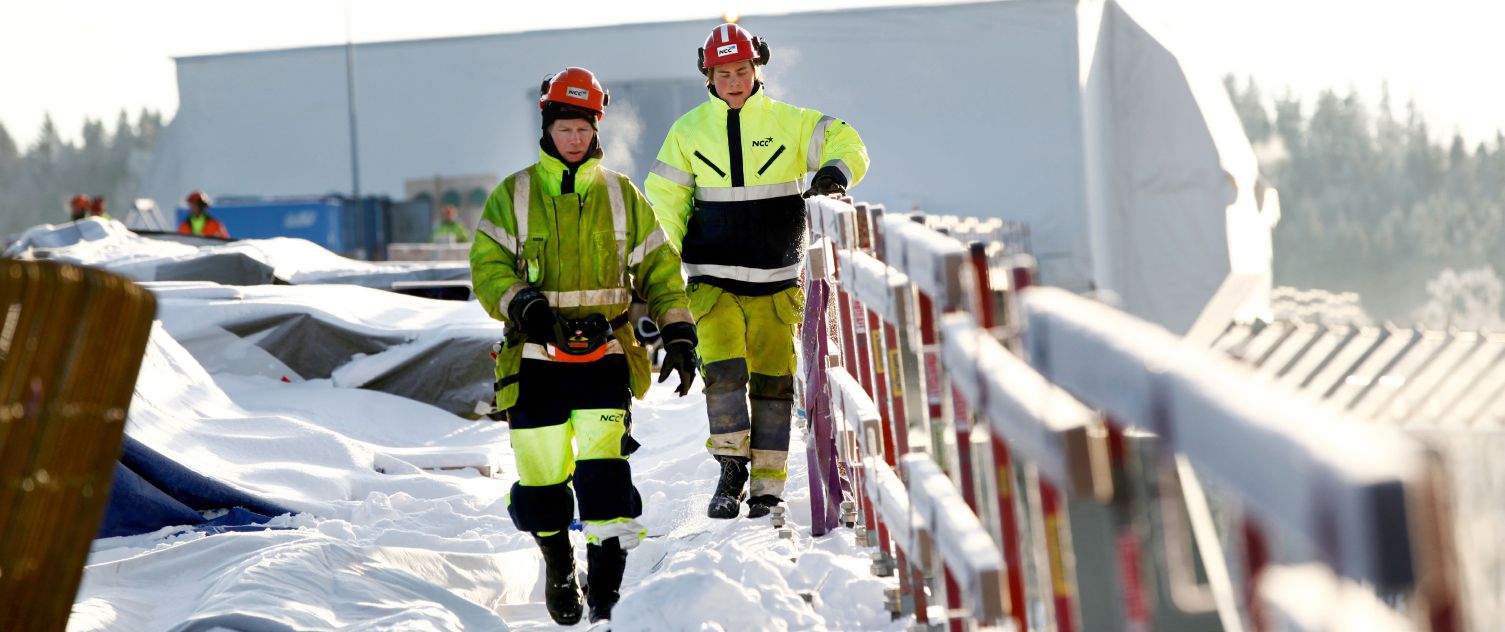
Winter weather presents hazards including slippery roads/surfaces, strong winds and environmental cold. Employers must prevent illnesses, injuries, or fatalities, by controlling these hazards in workplaces impacted by winter weather.
In addition to cold stress, there are other winter weather related hazards that workers may be exposed to when performing tasks such as driving in the snow, removing snow from rooftops, and working near downed or damaged power lines.
Using Powered Equipment like Snow Blowers
It is important to make sure that powered equipment, such as snow blowers are properly grounded to protect workers from electric shocks or electrocutions. When performing maintenance or cleaning, make sure the equipment is properly guarded and is disconnected from power sources.
Snow blowers commonly cause lacerations or amputations when operators attempt to clear jams with the equipment turned on.
Never attempt to clear a jam by hand. First, turn the snow blower off and wait for all moving parts to stop, and then use a long stick to clear wet snow or debris from the machine. Keep your hands and feet away from moving parts.
Clearing Snow from Roofs and Working at Heights
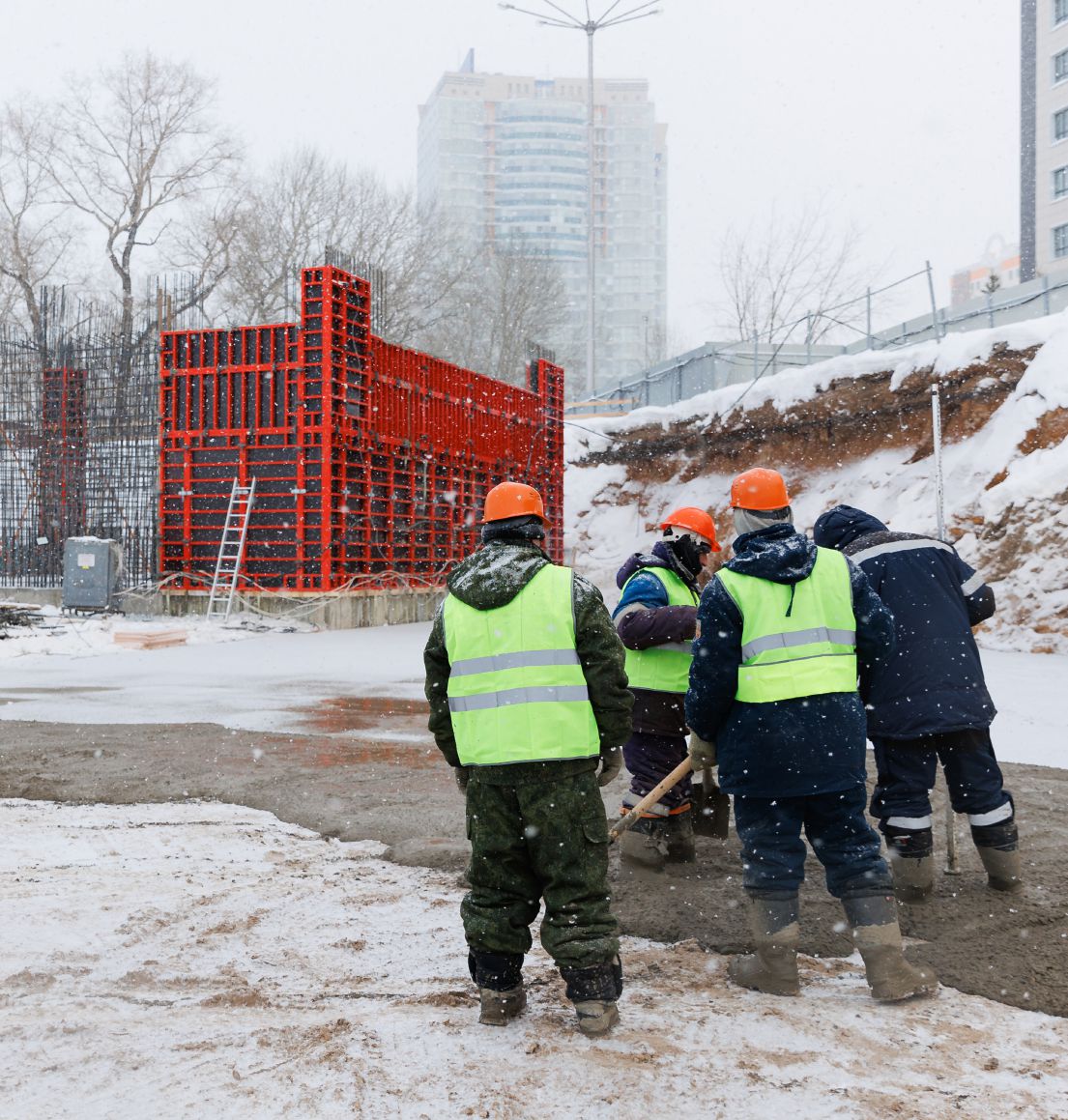
Employers must evaluate snow removal tasks for hazards and plan how to do the work safely. Workers should be aware of the potential for unexpected hazards due to the weather conditions, for example, layers of ice can form as the environmental temperature drops, making surfaces even more slippery.
A surface that is weighed down by snow must be inspected by a competent person to determine if it is structurally safe for workers to access it, because it may be at risk of collapsing. Snow covered rooftops can hide hazards such as skylights that workers can fall through. Electrical hazards may also exist from overhead power lines or snow removal equipment.
Employers can protect workers from these hazardous work conditions, for example, by using snow removal methods that do not involve workers going on roofs, when and where possible. Employers should determine the right type of equipment (ladders, aerial lifts, etc.) and personal protective equipment (personal fall arrest systems, non-slip safety boots, etc.) for the job and ensure that workers are trained on how to properly use them.
Preventing Slips on Snow and Ice
To prevent slips, trips, and falls, employers should clear walking surfaces of snow and ice, and spread deicer, as quickly as possible after a winter storm. In addition, the following precautions will help reduce the likelihood of injuries:
- Wear proper footwear when walking on snow or ice is unavoidable, because it is especially treacherous. A pair of insulated and water resistant boots with good rubber treads is a must for walking during or after a winter storm. Keeping a pair of rubber over-shoes with good treads which fit over your street shoes is a good idea during the winter months.
- Take short steps and walk at a slower pace so you can react quickly to a change in traction, when walking on an icy or snow-covered walkway.
Repairing Downed or Damaged Power Lines
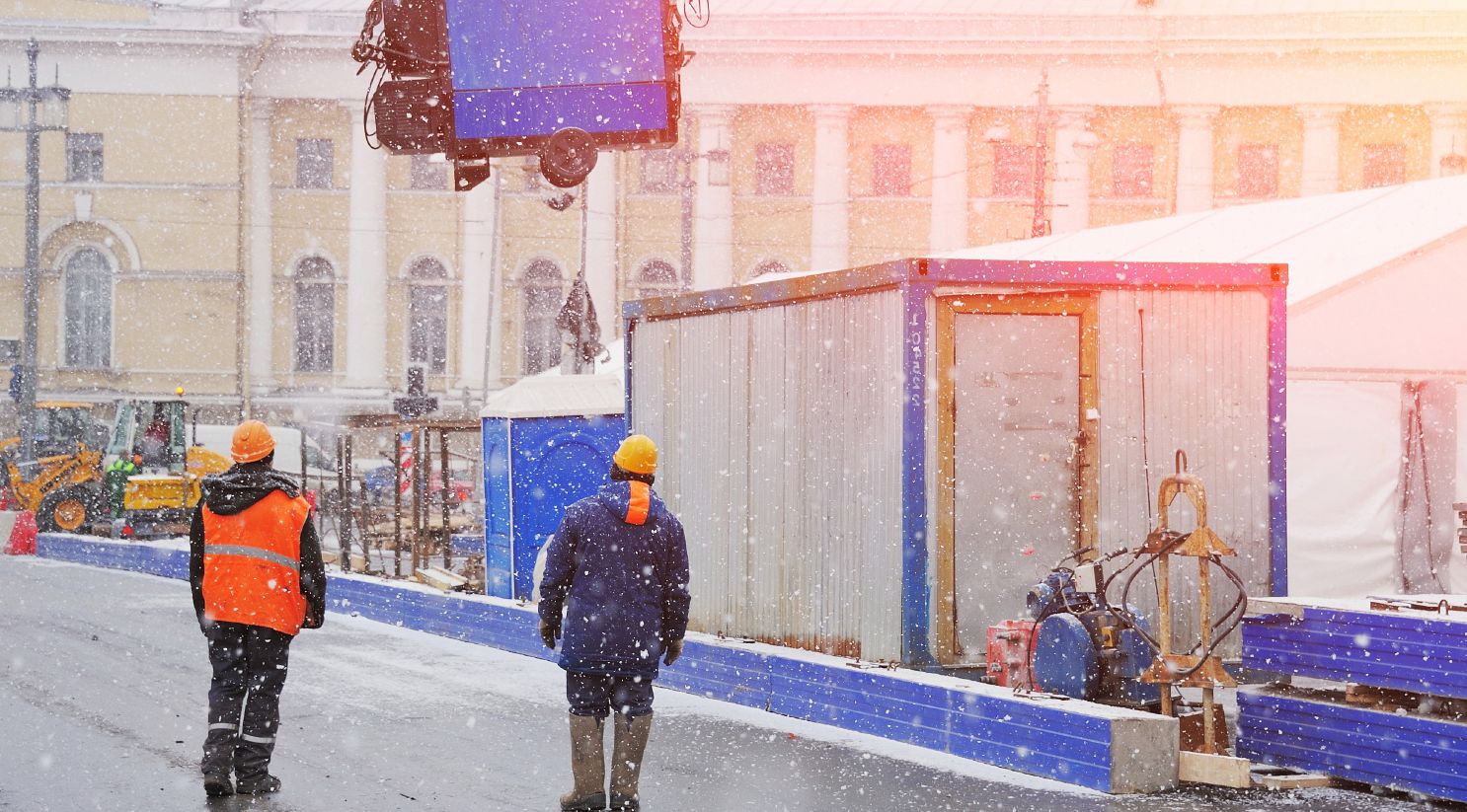
Repairing and/or replacing damaged power lines in severe winter weather conditions are especially hazardous. A major hazard is snow, because the moisture can reduce the insulation value of protective equipment, and could cause electrocution. In these conditions de-energized work is safer, but if energized work must be done, qualified workers and supervisors must first do a hazard analysis that includes evaluating the weather conditions and identifying how to safely do the job.
Other potential hazards include:
- Electrocution by contacting downed energized power lines, or contacting objects, such as broken tree limbs, in contact with downed energized power lines.
- Fires caused by an energized line or equipment failure.
- Being struck or crushed by falling tree limbs, collapsing poles, etc.
When working on downed or damaged power lines, electrical utility workers should use safe work practices, appropriate tools and equipment (including personal protective equipment (PPE)). Extra caution should be exercised when working in adverse weather conditions.
Working Near Downed or Damaged Power Lines
Assume all power lines are energized and stay clear of any downed or damaged power lines. Establish a safe distance from power lines and report any incidents to the responsible authority. Only properly-trained electrical utility workers can handle damaged power lines.
This information is excerpted from OSHA Winter Weather, an online guide. The full document can be viewed at www.osha.gov/winter-weather.