HOWARD FRANKLAND BRIDGE STORMWATER DRAINAGE SYSTEM
Tampa – St. Petersburg, Florida
OWNER:
Florida Department of Transportation,
Tallahassee, Florida ENGINEERS:
BCC Engineering, Miami, Florida
CONTRACTORS:
Archer Western, Tampa, Florida
INSTALLATION DATE:
2020-2024
PRODUCTS:
- 4,800 feet of 18-inch HP Storm Dual Wall Pipe
- 3,360 feet of 24-inch HP Storm Dual Wall Pipe
- 700 feet of 30-inch HP Storm Dual Wall Pipe
- 180 feet of 36-inch HP Storm Dual Wall Pipe
- 840 feet of 42-inch HP Storm Dual Wall Pipe
- 717 feet of 12-inch Duraslot® Slotted Drains
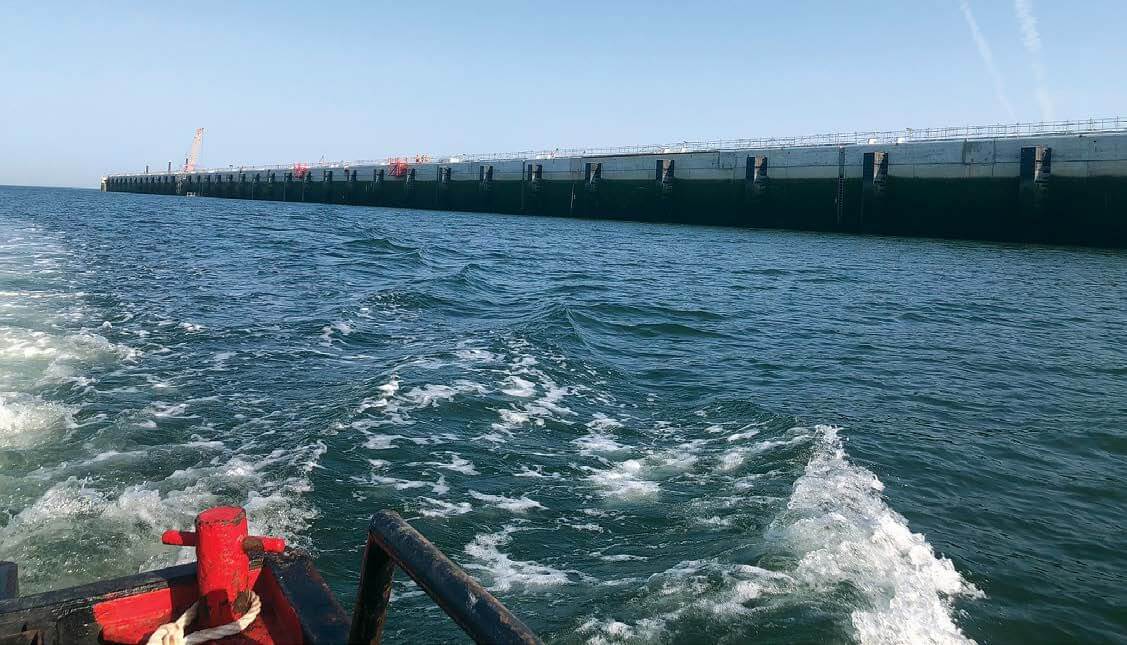
The new Howard Frankland Bridge is the largest and most ambitious bridge project ever constructed in the state of Florida, showcasing advanced engineering and construction techniques through the design-build delivery method.
A key component is the thermoplastic stormwater drainage system, which is cost-effective, provides the specified flow rates, delivers superior structural integrity and has a 100-year design service life.
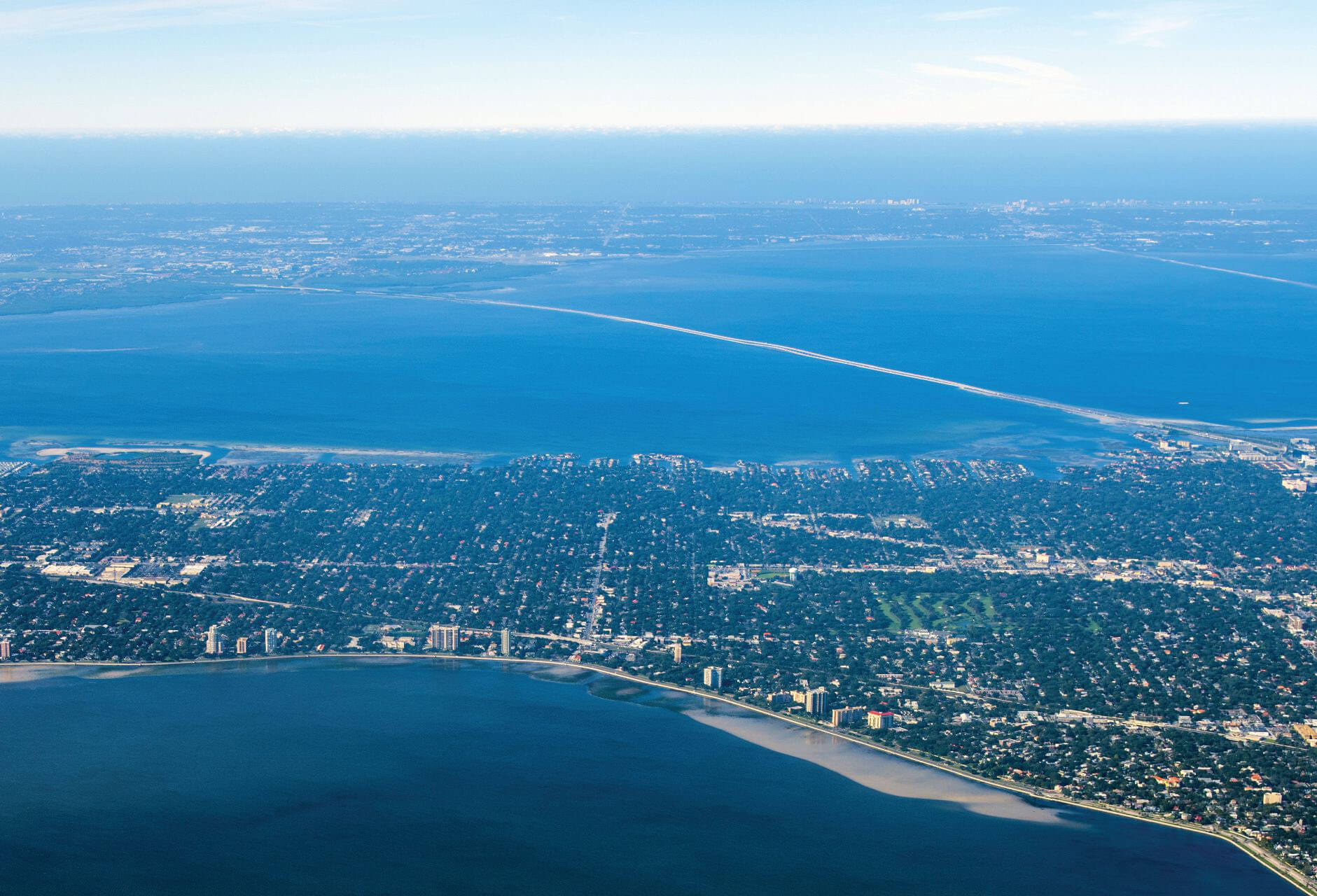
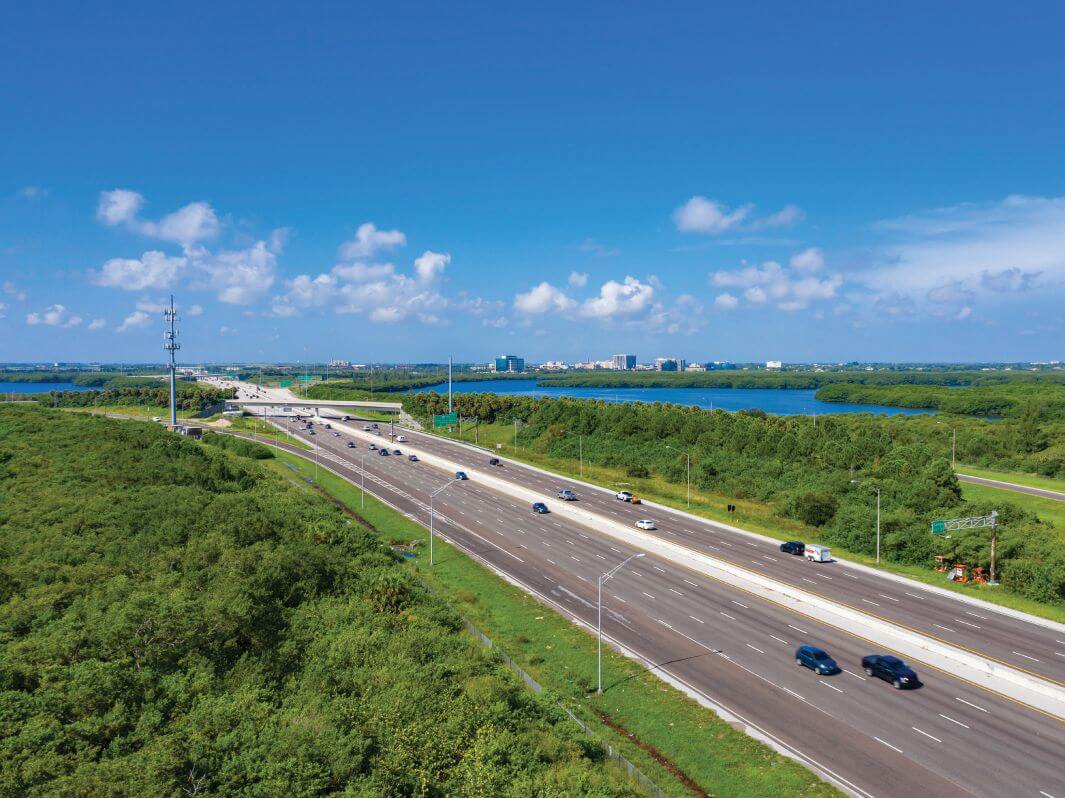
The new bridge opened in March 2025 after five years of construction and was designed to ease traffic on Interstate 275 between Tampa and St. Petersburg. It is a massive structure with more than 2.6 million square feet of bridge deck area consisting of two separate roadways, each with four general traffic lanes, two express lanes and a path for pedestrians and bicyclists.
The Howard Frankland Bridge is the most traveled bridge of the Tampa Bay area, with an average of 250,000 vehicles crossing it every day. Originally built in 1960 as a single, four-lane, three-mile span on I-275, the bridge experienced a high number of accidents and delays as the area population grew over the years, prompting the Florida Department of Transportation (FDOT) to create this design-build project.
Meeting Performance Specifications
One of the biggest challenges in the design of the new bridge was a stormwater drainage system for the bridge’s causeways. The area was flat and grades needed to be altered for appropriate drainage.
HP Storm Dual Wall Pipe from Advanced Drainage Systems (ADS), manufactured from polypropylene, was selected for the project due to its ability to meet all performance specifications while delivering cost savings for FDOT. HP Storm provided the strength and stiffness required after fill material was added to Tampa Bay to build up the land and create a wider causeway.
The pipe is made from a durable, non-reactive material that can handle Florida’s aggressive saltwater environment. It was used to create a drainage system that helps prevent erosion of the low-lying areas leading up to the causeways. The smooth interior wall of the pipe offers additional strength and high flow capacity. HP Storm pipe meets or exceeds the standards specified in ASTM F2881 and AASHTO M330 and the extended bell and spigot meets ASTM D3212. Polypropylene is resistant to the effects of chemicals, abrasion, hot soils and effluent.
Elevation changes along the bridge route meant that FDOT required variable height barrier walls to match changes in the land’s elevation. The pipe’s strength and premium joints played a critical role here, as drainage pipes installed close to barrier walls of varying height need to be tightly sealed and strong to prevent soil erosion, protect the wall’s foundation, and withstand pressure from the ground and traffic for long-term safety and stability.
According to David Alonso, senior construction project manager for FDOT, “Since most of this causeway had to be built out, we added a lot of fill material into the bay and retaining walls to hold that fill. We then constructed the drainage system to support additional capacity due to more surface shedding water that needed to be collected and transported without creating hydroplaning conditions. That was our challenge—adding all of the new capacity for all of that area we were building.”
Duraslot is made from N-12® Dual Wall HDPE Pipe, manufactured from high-density polyethylene (HDPE), with an aluminum slot mounted on top. Duraslot can be installed in shallow applications and is ideally suited for heavy load rated applications on roads, airports and warehouse projects. The pipe is light weight, easy to field cut and is installed in 10-foot sections.
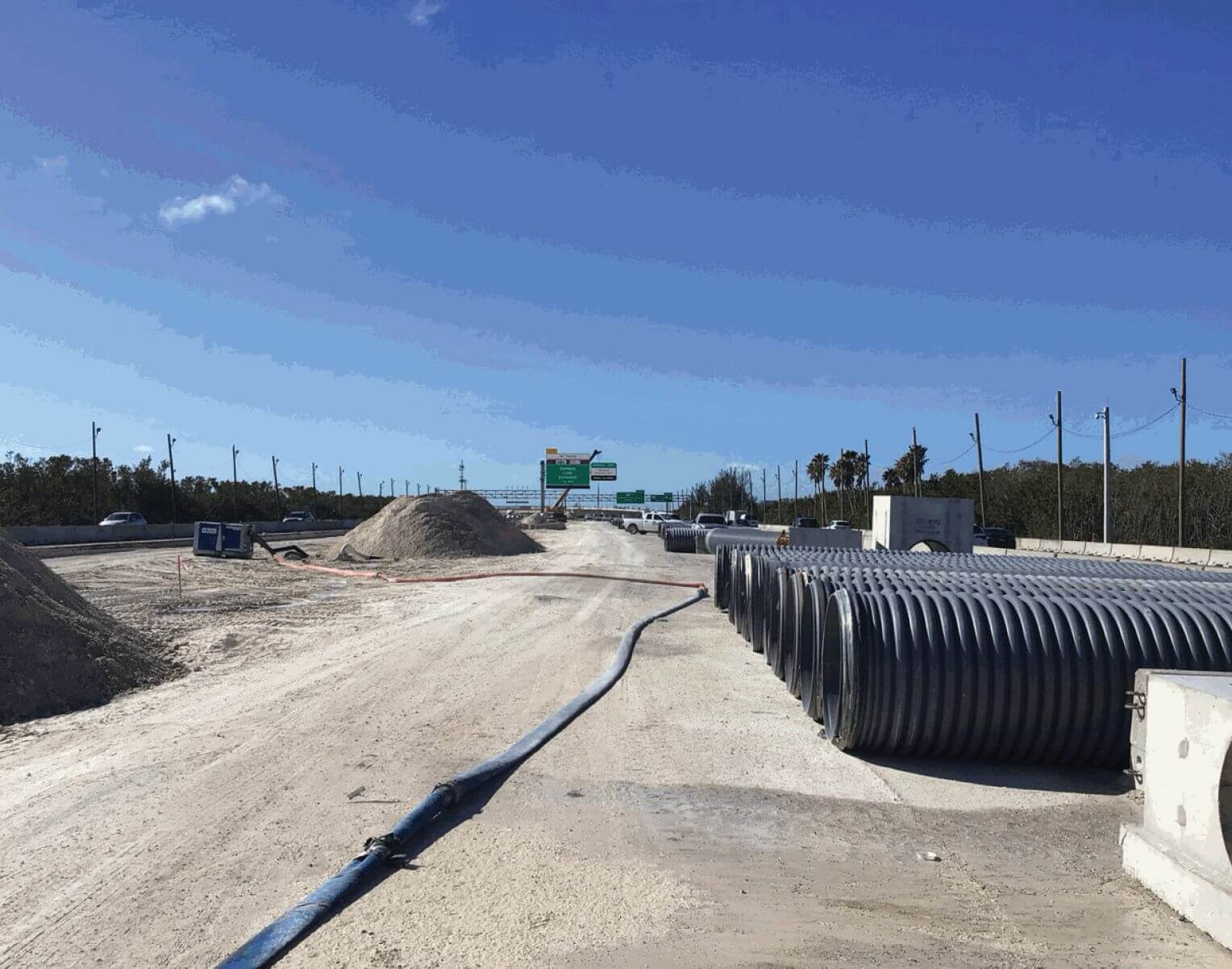
By delivering the pipe as needed for the timing of the project, the contractor saved time, reduced labor, minimized heavy equipment usage, and created a favorable impression with FDOT for future projects.
The two different types of thermoplastic pipe – polypropylene and HDPE with slotted drains – plus the basin drains, were easily incorporated into the design-build process as each was designed to harmoniously perform within the system. This aspect saved additional time, reduced labor, minimized the use of heavy equipment and created a favorable impression FDOT, which can be used as a benchmark for other Departments of Transportation.
Overcoming the Harsh Environment
A marine environment like the Florida coast can be one of the harshest environments for construction material. When building in this type of environment, the infrastructure must be durable and resilient.
Typically, in areas with high chlorides, reinforced concrete and metal pipe cannot be used, but thermoplastic pipe can and provided the required long life and resiliency. Metal and concrete pipes are negatively affected by the forces present in this environment, especially the salt. It breaks down concrete. It also corrodes steel and the rebar inside the concrete pipes and causes them to fall apart.
Thermoplastic pipe is inert and does not break down due to salt. It is not affected by water or any of the other chemicals found in this environment.
How the changing sea level could affect the drainage was taken into account during the design phase of the project. This included analyzing data from previous hurricane seasons, as well as anticipating what the bay mean high water level might be 100 years in the future. When there are pipes coming in below sea level, it was important to determine how a bulkhead and a pipe would be built through that wall, while also taking into consideration the stresses for the pipe.
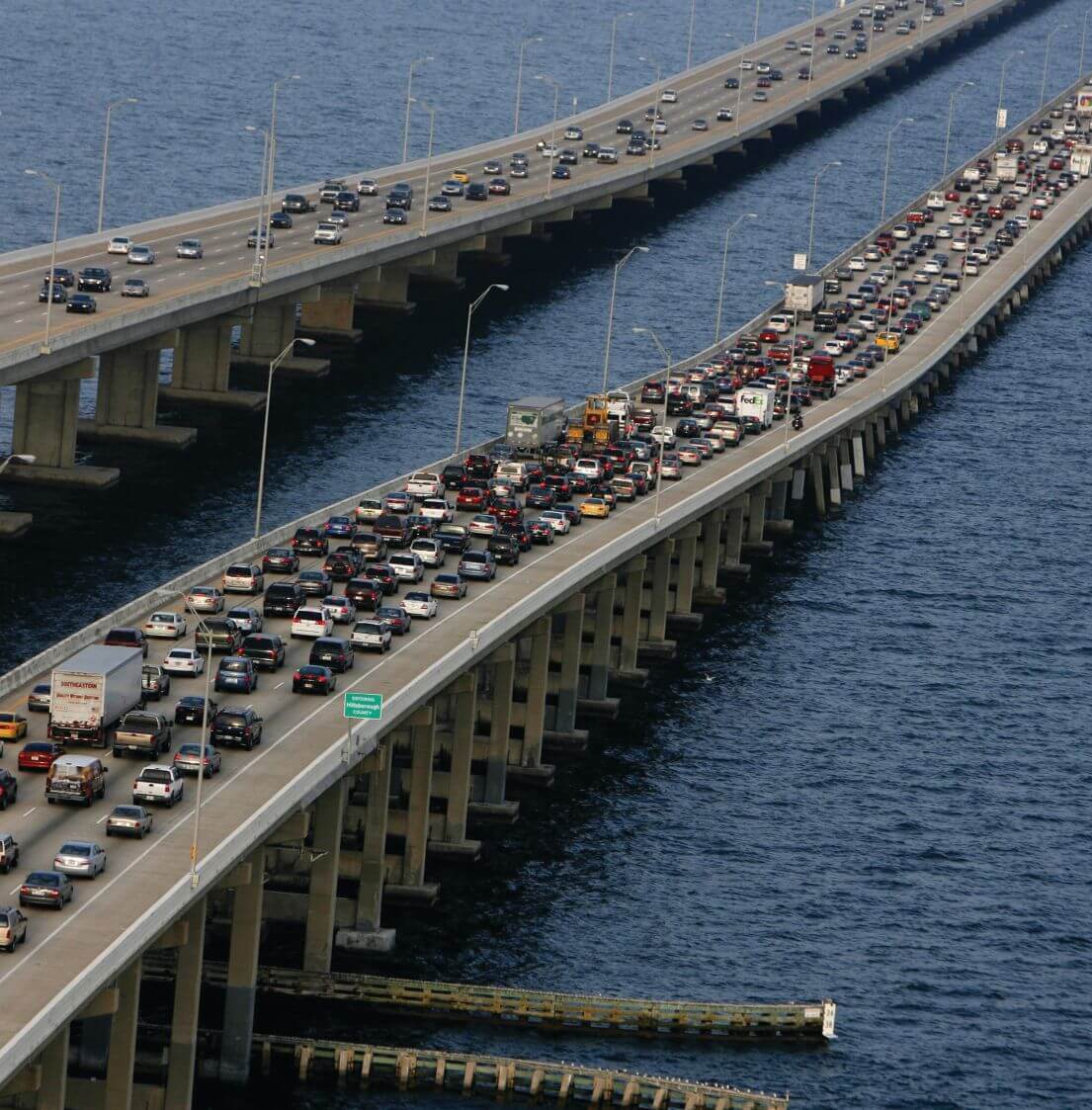
Since this was a design build project, there was more flexibility with the contractor to come up with creative and unique solutions to problems during construction. One change was for the ends of the bridge, where sand material originally composed the backfill. This was converted to 57 stone, which would improve drainage and help mitigate the risk of losing the causeway when dealing with a surge event during a storm.
After the bridge’s completion, the stormwater drainage portion of the project earned the Project of the Year Award from the Plastics Pipe Institute (PPI), the major North American trade association representing the plastic pipe industry.