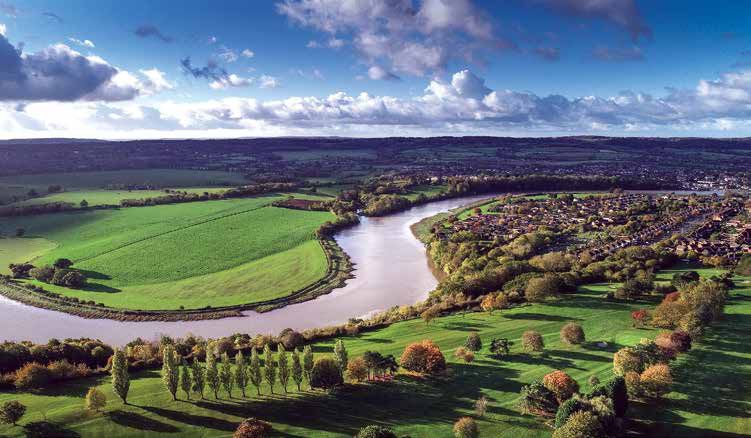
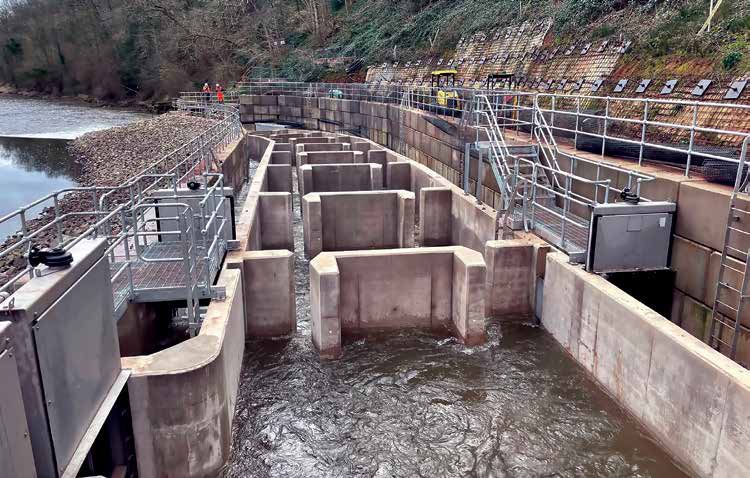
Land & Water, a U.K.-based wet civil engineering firms, has completed phase two of works at the Unlocking the Severn fish pass construction site at Holt Weir, along the River Severn in Worcestershire, U.K.
On behalf of its client Kier, the penstocks have now opened with the main fish pass works complete and signed off, enabling the rare migratory fish, the shad, to travel to their natural spawning grounds for the first time in nearly 180 years. The fish pass will also benefit salmon, eels and lamprey.
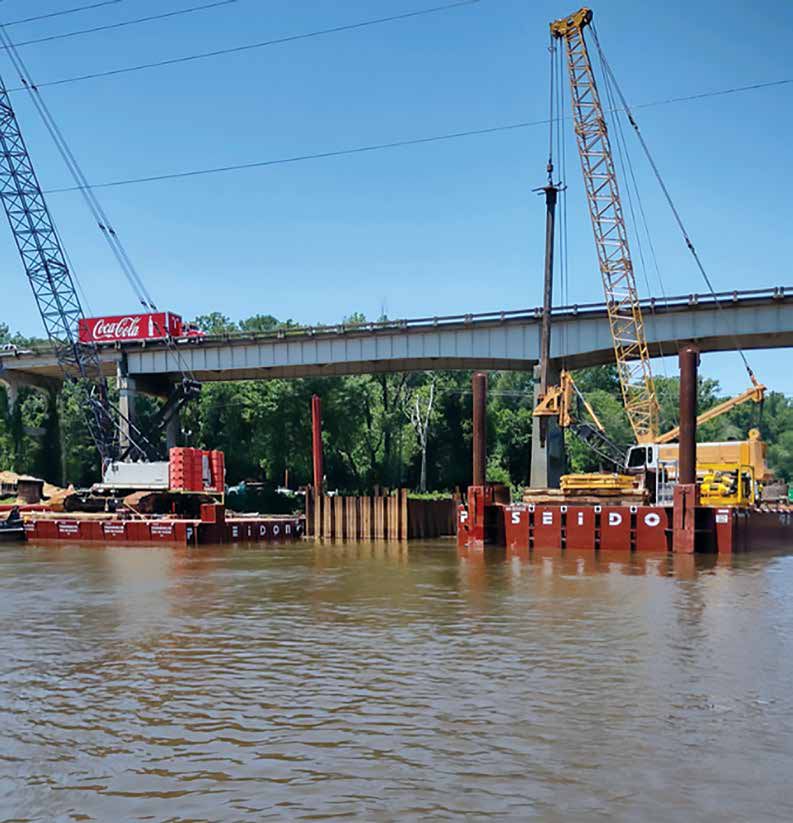
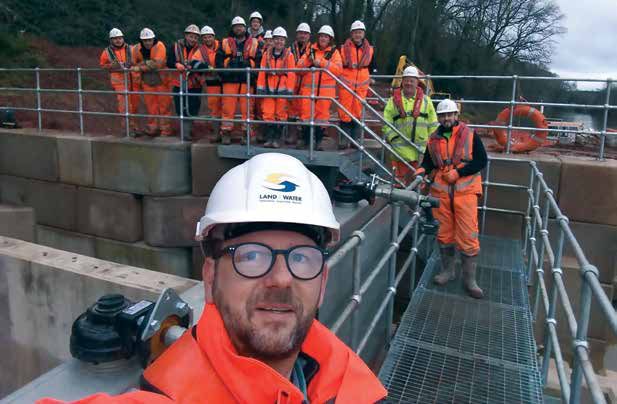
Land & Water has been involved in the project since the beginning of 2020, and has achieved many milestones during this project, including delivering one of the biggest crane and pontoon arrangements in the business’s history. Lucy Lee, contracts manager at Land & Water, said, “We are extremely proud of the works we have carried out during one of the largest river restorations of its kind ever attempted in Europe. Land & Water is committed towards delivering, maintaining and sustaining the UK’s natural capital, improving the ecosystem of our waterways for years to come whilst also increasing biodiversity. Despite the challenges presented to us during this project including the Coronavirus pandemic and the River Severn being an unpredictable environment to work in, the Land & Water team worked safely and collaboratively in order to protect the local aquatic life and I would like to thank each and every person that has been involved.”
Funded by the National Lottery Heritage Fund and the European Union LIFE program, Unlocking the Severn, a project led by the Canal & River Trust with partners Severn Rivers Trust, Environment Agency and Natural England, will restore connectivity on the UK’s longest river and aims to deliver ambitious heritage, education and science programs that will reconnect millions of people with the river.
Land & Water is an award-winning inland waterway and coastal civil and environmental engineering company. Throughout their 40-year history, the company has found creative and effective solutions to complex challenges in the specialist environment where land and water meet. Often working in complex or sensitive habitats, their work is completed with sympathy to the local surroundings, people and the environment.
Unlocking the Severn is being run by the Canal & River Trust, Severn Rivers Trust, Environment Agency, and Natural England. The project is one of the largest river connectivity projects of its kind ever attempted in Europe, with funding from the National Lottery—awarded through the National Lottery Heritage Fund—and the European Union LIFE program.
State of the art fish passes have been installed on four navigation weirs on the River Severn and weir modifications have been made to fish passage at two sites on the River Tempe.
Unlocking the Severn will also deliver heritage, education and science programs that aim to reconnect local people with the River. This includes working with community groups along the river, thousands of school children, and creating opportunities for hundreds of volunteers.
More information is available at www.UnlockingtheSevern.co.uk.
Unlocking the UK’s longest river for native fish
Starting as brook flowing from an upland peat bog at Plinlimon in the Cambrian mountains, the River Severn runs a 220-mile course from Powys in Wales into England and winds across Shropshire, Worcestershire and Gloucestershire to the Severn Estuary before meeting the sea at the Bristol Channel.
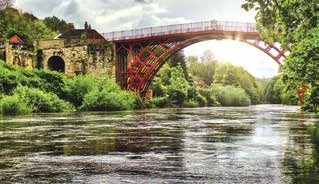
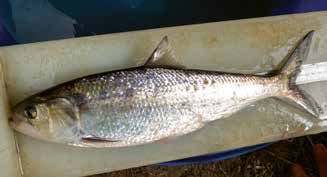
At one time, twaite shad were commonplace throughout the Severn Estuary and its rivers, but during the 19th century, many rivers were modified by building weirs (small dams) across the rivers to raise the water level. The weirs allowed boats easier passage but restricted shad to the lower reaches of the river by preventing access to their historic spawning habitat.
Hundreds of thousands of twaite shad used to migrate up the River Severn every spring before weirs blocked their annual migration. Surveys by the non-profit group Unlocking the Severn in 2017 demonstrated a small residual population of twaite shad in the River Severn reaching only as far as Worcester. By the completion of our project, after a gap of around 170 years, these shad will finally make it up the river once again.
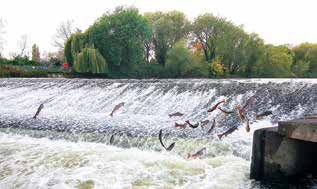
Shropshire, in an attempt to move upstream to spawn.
Modern engineering has allowed the construction of fish passes to restore upriver access for shad to reach their traditional spawning grounds. The UK. Environment Agency is working on a project to secure funding for a project that will open up more than 230 km (143 miles) of historic spawning ground to support shad populations in the Severn Estuary.
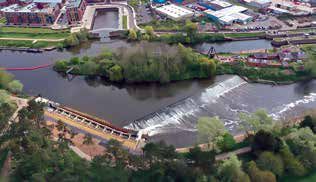
The largest fish pass on the River Severn is the Diglis Island fish pass. The structure is 100 meters long, 8 meters wide and 5 meters deep. The Diglis is biggest deep vertical slot fish pass in England and Wales, providing a swimway past the weir for river fish and an underwater viewing gallery for human visitors.