As the need for longlasting and ecofriendly infrastructure grows, self-healing construction materials are gaining attention as a breakthrough solution.
These smart materials are designed to repair themselves after damage, reducing maintenance needs and extending the life of buildings, roads, and other structures. With rising urbanization and a push for sustainability, the demand for these materials is quickly growing worldwide.
Introduction
Self-healing construction materials are substances with inbuilt engineered properties to counteract damage and repair it before it becomes critical. These materials can repair cracks or damage caused by environmental stress, wear, or fatigue. The self-healing mechanism of these materials can be intrinsic or extrinsic. Intrinsic self-healing construction materials utilize reversible chemical bonds or physical interaction, whereas extrinsic self-healing construction materials rely on embedded healing agents that release repair substances upon damage. The use of self-healing construction materials reduces maintenance costs and extends the lifespan of structures.
Key Market Stats
- A recent report by Polaris Market Research analyzes the self-healing construction materials market to exhibit a robust compound annual growth rate (CAGR) of 12.9% during 2025–2034.
- The report notes that the market was valued at $5.75 billion in 2024 and is projected to grow to $19.35 billion by 2034.
- The study highlights that the concrete material type is projected to witness significant demand due to rising need for durable and long-lasting infrastructure, especially in urban development projects.
- In the global market, Asia Pacific is anticipated to witness high adoption of self-healing concrete materials due to rapid urbanization, population expansion and infrastructure development.
Key Drivers of Self-Healing Construction Materials Demand
Several factors are fueling the adoption of self-healing materials in the construction industry.
They include:
- Rising demand for durable infrastructure: Governments and developers globally are making substantial investments in long-term infrastructure. This has resulted in an increased need for building materials that reduce repair frequency and extend service life. Self-healing materials help prevent structural deterioration and lower lifecycle costs.
- Sustainability goals: With growing awareness about climate change and resource conservation and optimization, construction practices are shifting toward eco-friendly solutions. Self-healing materials lower the need for resource-heavy repairs, which aligns with net-zero energy building initiatives and sustainable design practices.
- Technological advancements: Innovations in microencapsulation, bacteria-based healing agents and smart material technology have improved the cost-effectiveness and commercial viability of self-healing construction materials. In addition, ongoing R&D is expanding the performance range and compatibility of self-healing materials with traditional substances.
Self-Healing Construction Material Types
Self-healing construction materials come in various forms, with each type designed to address different types of damage and cater to specific building applications. Below are some of the most common types:
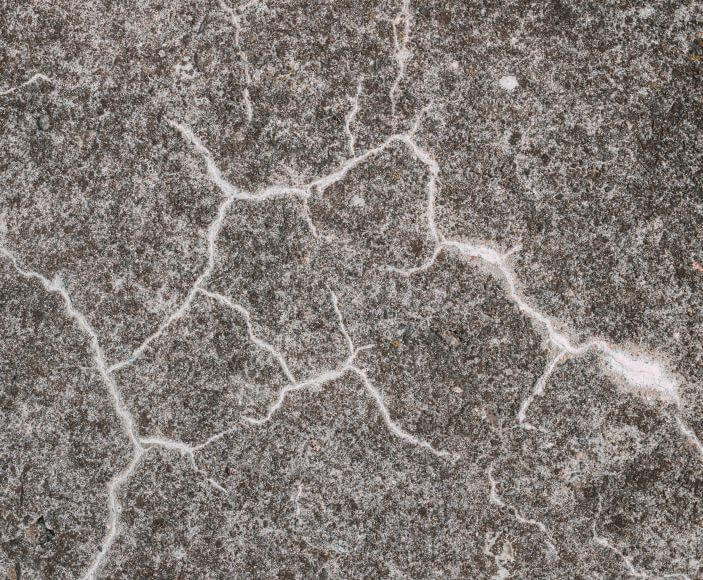
- Self-healing concrete: Self-healing concrete is the most widely researched and used self-healing material in construction. It usually contains healing agents like microcapsules, bacteria, or mineral additives. When cracks appear, these agents get activated by air or water, producing compounds that seal the crack and restore strength.
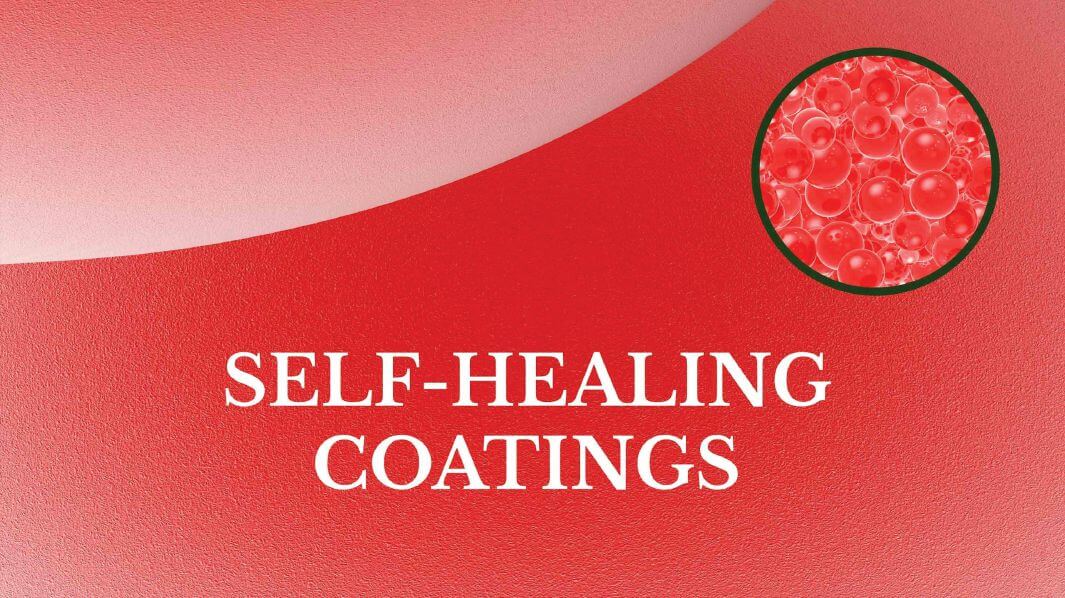
- Self-healing coatings: In the construction industry, protective coatings applied to surfaces such as wood, metal, or concrete can also have self-healing properties. These coatings repair scratches or micro-cracks on their own, which helps maintain surface integrity and prevents corrosion or moisture damage.
- Self-healing polymers and composites: These materials are typically used in specialized applications such as architectural components, aerospace, and energy-efficient buildings. They restore functionality by bonding the separate surfaces back together on their own.
Bio-Based Healing Agents
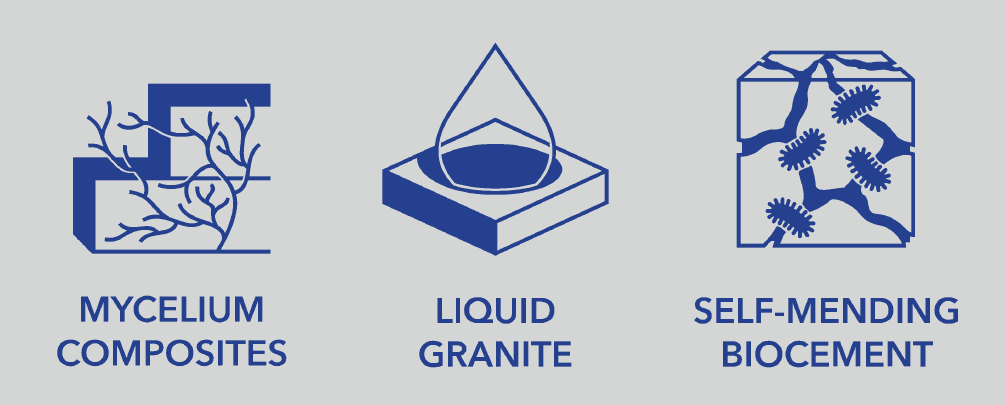
One of the key trends is the rising adoption of bio-based healing agents, particularly bacteria and fungi, to trigger self-repair mechanisms. Bio-based healing agents have minimal environmental impact and are naturally compatible with concrete. Innovations in microbiology have led to the development of more resilient and faster-acting bacterial strains, making bio-based healing agents a promising solution in eco-friendly construction.
The Road Ahead
As more contractors and developers seek to meet environmental, economic, and performance requirements, the self-healing construction materials market is projected to witness sustained development in the coming years.
More information from the study is available at www.polarismarketresearch.com.