Personal Flotation Devices
If the deck of a barge or work platform is not equipped with an OSHA-compliant railing system, employees walking or working on deck must wear a U.S. Coast Guard-approved life jacket or buoyant work vest, also called a life preserver or personal flotation device (PFD). These PFDs should be fully buckled, snapped, or zipped whenever there is a hazard of falling into the water, regardless of the size of the barge. While a PFD is not required to be worn while an employee is inside an enclosed cab or equipment compartment on a barge, each employee should have a PFD accessible to them at all times. This safety precaution will allow employees the opportunity to don a PFD in a reasonable amount of time during an emergency, such as a fire or vessel sinking.
Regular Maintenance and Inspection
Barges should be inspected by employers on a regular basis and as necessary, to prevent problems related to missing equipment, hazardous working surface conditions, and mechanical failures that could contribute to falls overboard. For example, inspections should check for missing or damaged PFDs, missing lifelines, and burned-out lights.
Safety Precautions
There are several controls that may help prevent employees from falling overboard. Examples include marking the edge of the deck with contrasting paint or, if practical, installing guardrails or handrails.
Job Hazard Analysis to Prevent Overboard Incidents
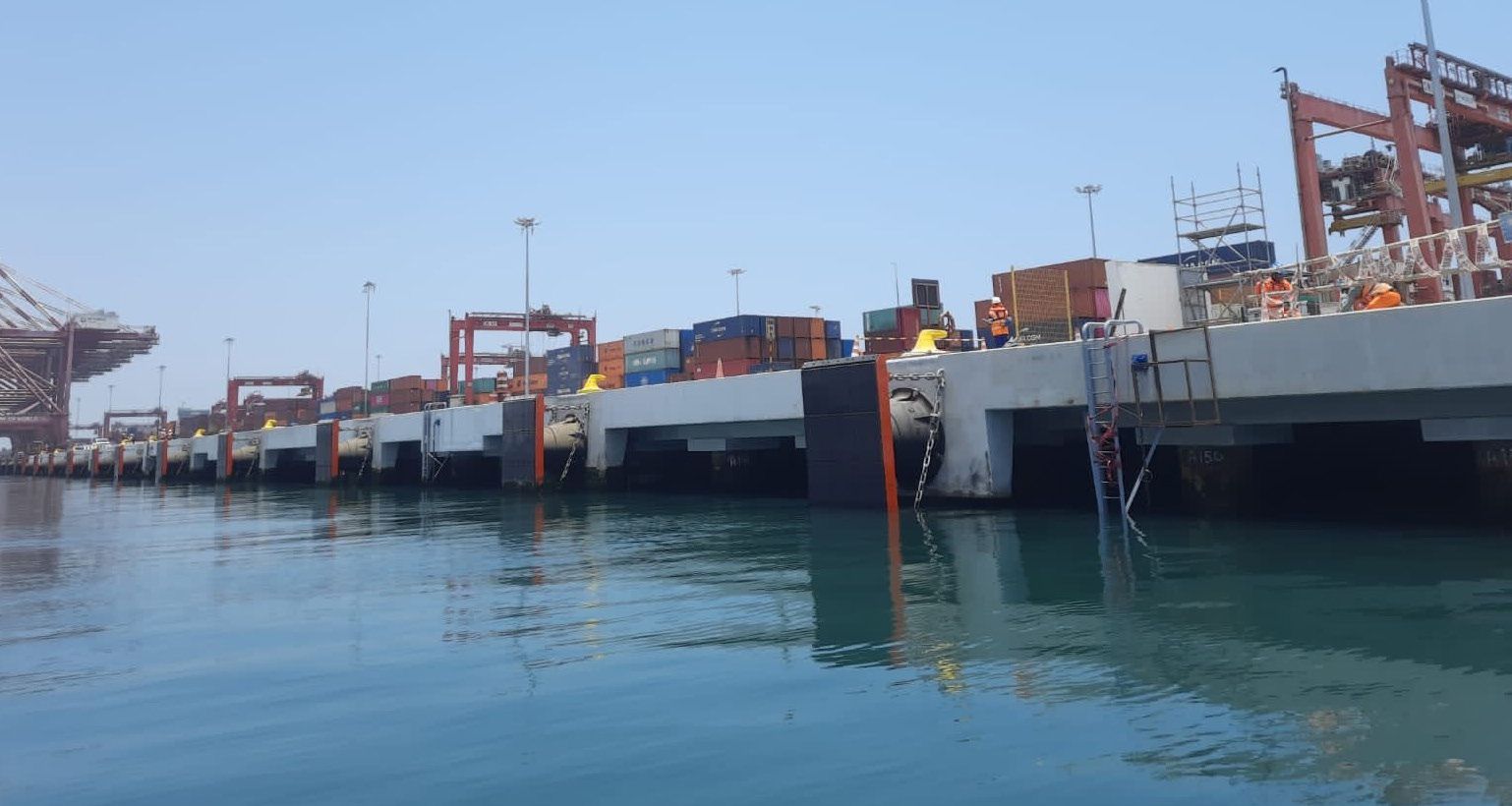
To reduce the risks of overboard incidents and drowning, employers and employees can conduct a joint job hazard analysis to identify conditions that may contribute to overboard incidents. Appropriate control measures and training can be implemented to reduce the hazards associated with falling overboard. For example, if the separation between a barge and the dock or another vessel is more than 12 inches, a gangway or ladder must be used. Additionally, it is important to look for warning signs such as employee fatigue, complacency, and lack of concentration, and resolve these issues before an overboard incident occurs. Employers also may consider hiring a professional safety engineer to evaluate hazards and possible controls.
Man Overboard Rescue Procedures
It is critical to have clear procedures in place in case someone falls overboard. Man-overboard procedures should incorporate the use of stand-by boats, life rings with appropriate length of rope (90 feet minimum), and ladders that extend three feet below and above the water surface. In a case where an employee falls overboard, they will need assistance to get back on board. This must be accomplished quickly, particularly if the water is frigid, the person is not wearing a life jacket, is tangled in a line or caught in a current. Crews should practice man overboard drills regularly. Additionally, in regions such as Alaska, where employees are at a greater risk of hypothermia, additional precautions (for example, the use of immersion suits) should be considered when there is a chance of falling overboard.