The truck-mounted concrete pump market is expected to be worth U.S. $8.9 billion in 2028, growing at a compound annual growth rate (CAGR) of 7.78 percent from 2021 to 2028, according to information from Adroit Market Research.
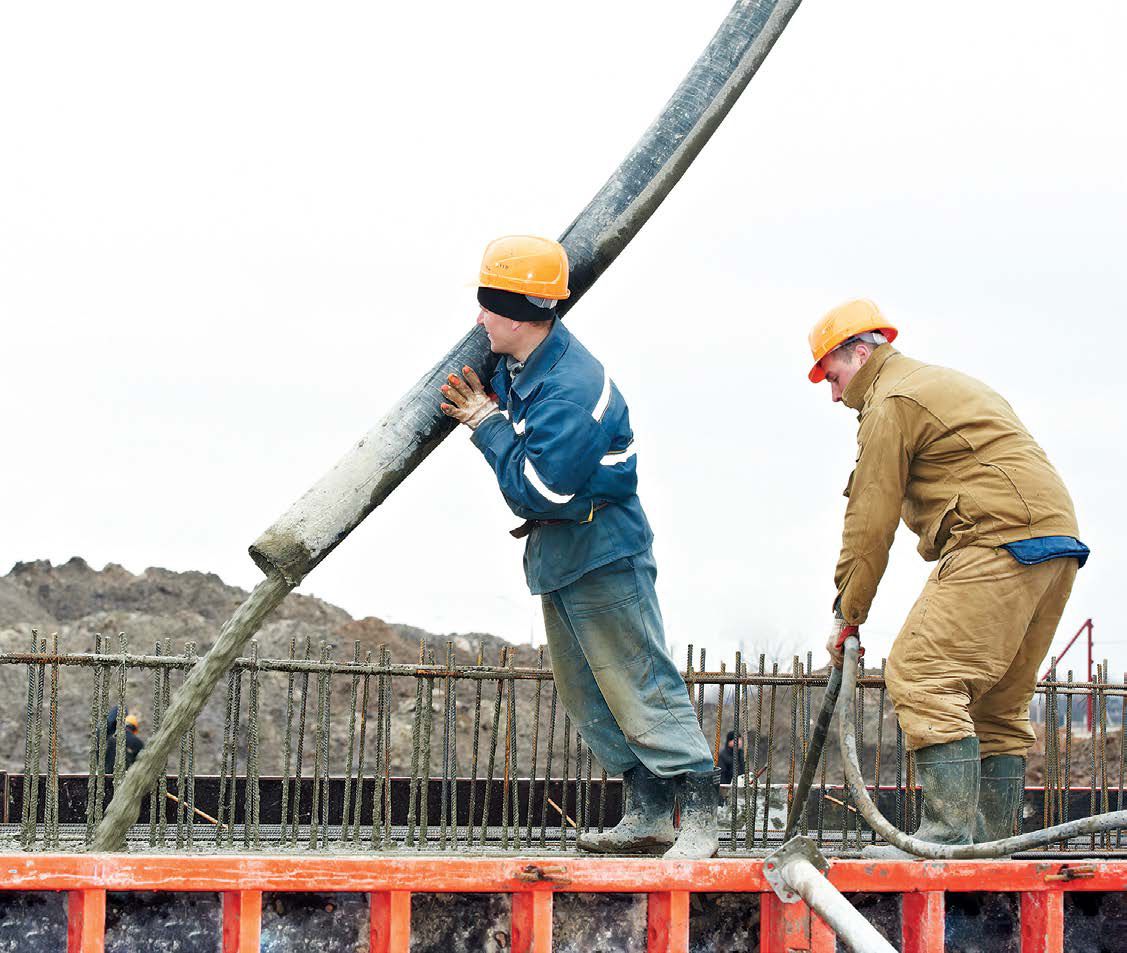
A specialized construction tool used for the quick and accurate placement of concrete in building projects is a truck-mounted concrete pump. It is made out of a concrete pump that is attached to a truck chassis, allowing for simple mobility and access to numerous locations on a construction site. These pumps are frequently employed in largescale construction projects where accurate concrete distribution is essential, such as high-rise buildings, bridges, and infrastructure improvements.
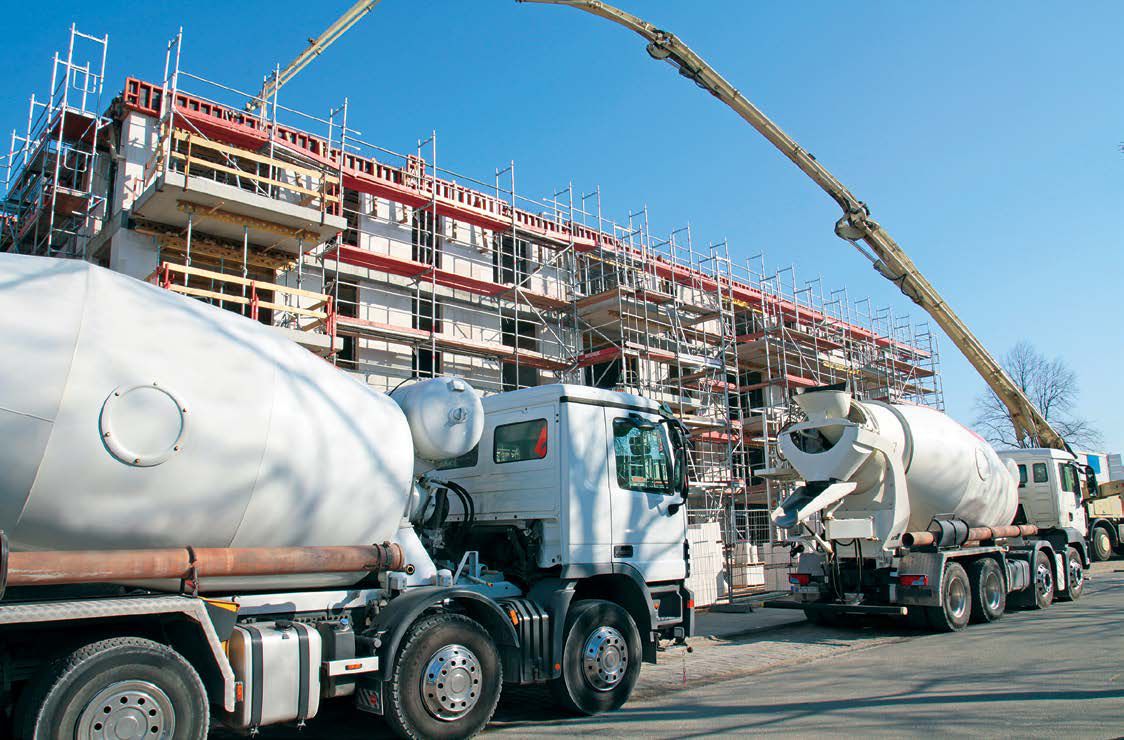
The market for truck-mounted concrete pumps was significantly influenced by the expansion of the construction sector, particularly in emerging markets. Concrete pumps were in high demand as a result of urbanization, infrastructural expansion, and increasing building projects in the residential and commercial sectors. Compared to conventional concrete pouring techniques, truck-mounted concrete pumps are more productive and efficient. For building projects, they can handle massive quantities of concrete and distribute it exactly to the correct areas, saving time and labor expenses. Truck-mounted concrete pumps are becoming more effective and user-friendly thanks to improvements in pumping systems, remote control capabilities, and automation. This promoted equipment purchases by construction businesses for newer, more sophisticated machinery.
The need for concrete pumps was being driven by government investments in infrastructure projects including highways, bridges, airports, and public buildings. There was a rise in demand for construction tools like concrete pumps as a result of several nations devoting sizeable sums to infrastructure development. As they produce less leakage and waste than other concrete laying techniques, concrete pumps are said to be more ecologically friendly. Construction businesses are choosing more efficient and environmentally friendly concrete pumping methods in response to tighter restrictions and growing environmental concerns. Newer, more effective concrete pumps were taking the place of the older ones. The market’s overall growth was aided by this cycle of replacement.
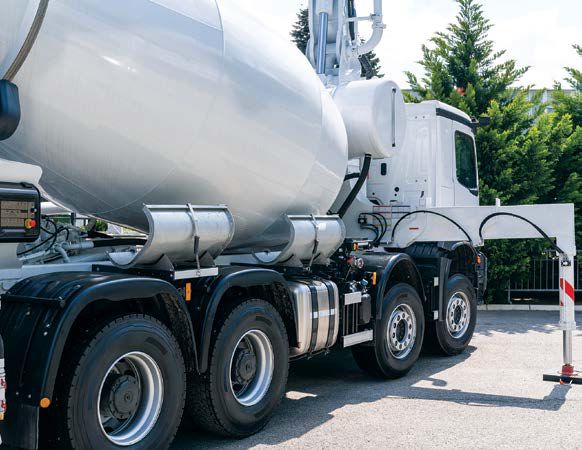
Truck-mounted concrete pumps were among the construction equipment whose rental market was growing. Due to budgetary constraints and project- specific requirements, many construction businesses choose to rent equipment rather than buy it entirely. Global urbanization kept growing, increasing the demand for housing and infrastructure. This pattern was anticipated to support the expansion of the construction sector and, consequently, the demand for truck-mounted concrete pumps.
As concrete pump technology advances, producers will have chances to create pumps that are more effective and ecologically benign. Automation, telematics, and sophisticated control systems are features that can increase productivity and save operational costs. Building methods that are more environmentally friendly are gaining popularity. Construction businesses that care about the environment may be interested in developing concrete pumps that are more energy-efficient and emit fewer pollutants. There is a chance for smaller, more portable truck-mounted concrete pumps that can fit through narrow building sites or crowded cities. Customers may also be drawn to models that are versatile enough to handle a range of concrete mixes and task demands.
The market for renting construction tools, such as truck-mounted concrete pumps, is still expanding. Businesses might look into renting out equipment to construction firms that would rather not make an ownership commitment.
Concrete pump systems can benefit from real-time monitoring, preventative maintenance, and remote- control capabilities when digital technology and connectivity are included. This can increase overall efficiency and equipment uptime, opening doors for technology suppliers. Manufacturers may want to consider entering developing nations with booming building industry. These markets frequently require substantial infrastructural improvements. For companies in the truck-mounted concrete pump industry, providing full after-sales services, such as maintenance, training, and spare parts supply, maybe a lucrative business strategy.
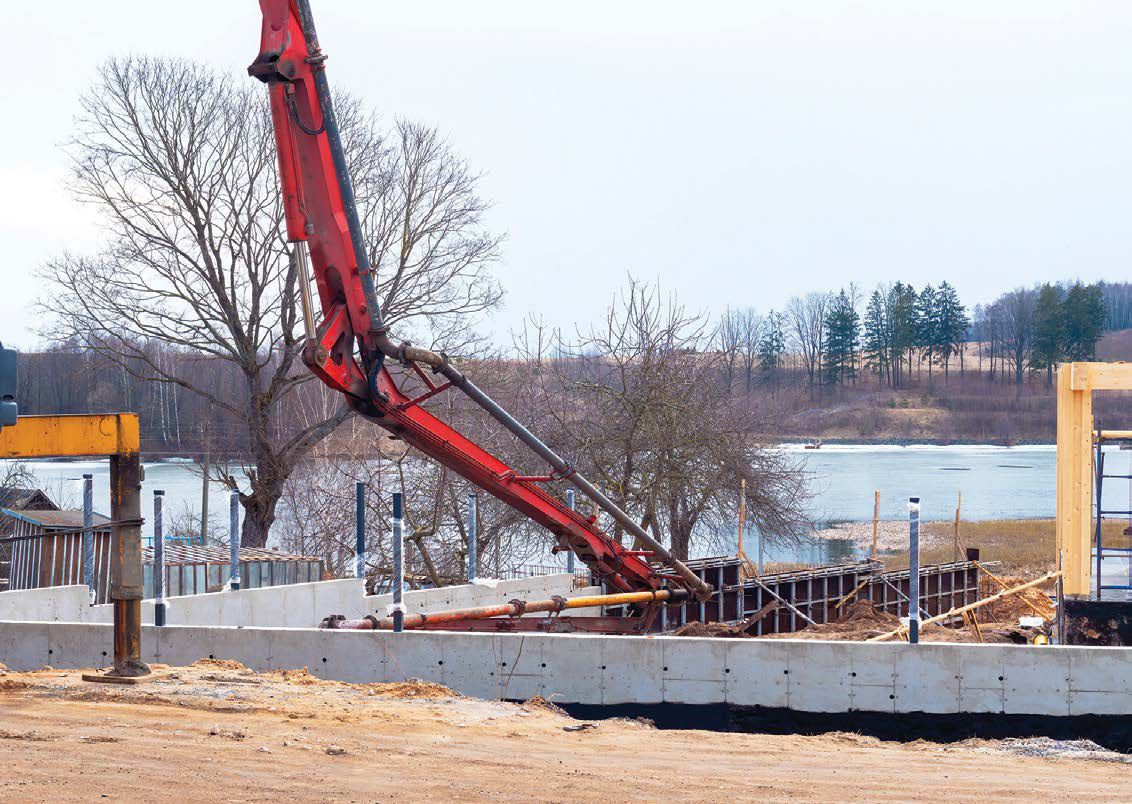
Truck-mounted concrete pumps have been used since the middle of the 20th century. In the 1950s, Germany produced one of the earliest truck-mounted concrete pumps. Compared to fixed pumps, these early types’ mobility and higher efficiency made up for their relative simplicity. A notable development came with the addition of hydraulic systems to truck-mounted concrete pumps in the 1960s and 1970s. Greater control over the pumping process including the movement of the delivery boom was made possible by hydraulic devices. Truck-mounted concrete pumps’ abilities were substantially improved by the 1970s and 1980s development of long, articulated booms. These booms were crucial for contemporary construction projects since they could reach higher floors of buildings and extend over barriers.
View more information about truck-mounted concrete pumps market at: https:// www.adroitmarketresearch.com/ contacts/request-sample/3434. To find out more about the researcher, visit www.adroitmarketresearch.com.